-
-
- Advancement of the Professions Committee
- Standards Committee
- Audit and Risk Committee
- Education Committee
- Disciplinary Committee
- Charter Case Committee
- Preliminary Investigation Committee and Disciplinary Committee Liaison Committee
- Registration Committee
- Preliminary Investigation Committee
- Paper classification: some definitions
-
-
-
-
- About extra-mural studies (EMS)
- EMS requirements
- Information for vet students
- Information for EMS providers
- Information for vet schools
- Temporary EMS requirements
- Practice by students - regulations
- Health and safety on EMS placements
- EMS contacts and further guidance
- Extra-mural studies fit for the future
-
-
- Code of Professional Conduct for Veterinary Surgeons
- Code of Professional Conduct for Veterinary Nurses
- Contact the Advice Team
- XL Bully dog ban
- 'Under care' - guidance
- Advice on Schedule 3
- Controlled Drugs Guidance – A to Z
- Dealing with Difficult Situations webinar recordings
- FAQs – Common medicines pitfalls
- FAQs – Routine veterinary practice and clinical veterinary research
- FAQs – Advertising of practice names
- GDPR – RCVS information and Q&As
-
- Accrediting veterinary degrees
- Accrediting veterinary nursing qualifications
- Reasonable adjustments for student vets
- Health and disability in veterinary medicine study and practice
- The role of the veterinary schools and the RCVS
- Reasonable adjustments and the Equality Act 2010
- Reasonable adjustments and Day One Competences
- Examples of reasonable adjustments for vet students
- Annex
- Reasonable adjustments for student vets - summary
- Reasonable adjustments for student veterinary nurses
- Health and disability in veterinary nurse education and training
- Reasonable adjustments for students and the UK disability discrimination legislation
- Educational assessment of veterinary nurses
- Roles of key stakeholders in the application of reasonable adjustments
- Examples of reasonable adjustments for vet nurse students
- Embracing reasonable adjustments for student vet nurses - summary
- External review of the RCVS by ENQA
- Requirements for remote and online student assessments
Dr Rachael McKinney
BSc BVSc PGDip PGCTLFHE CertAVP MRCVS
 Candidate 9 of 15
Proposers
Dr Serena Maini MRCVS
Dr Amber Marshall MRCVS
Contact details
A RSPCA East Winch, Gayton Road PE32 1LG
W https://uk.linkedin.com/in/rachael-mckinney-48b3312aa
Candidate biography
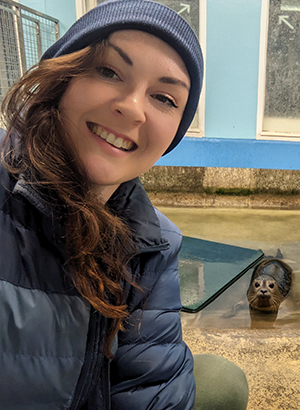
Following many happy years as a pony and dog-obsessed teenager in Belfast, I began my studies in Bristol in 2012, with great aspirations of working for an equine charity post-graduation (the more donkeys, the better). I studied veterinary medicine with an intercalated BSc in Bioethics, focusing on ethics of equine euthanasia in my dissertation. I completed a rotating internship in equine medicine and surgery at Langford Referrals, and then worked in my dream job at Redwings Horse Sanctuary. Following a brief stint in private practice, I enjoyed many years as a clinician and teacher at Cambridge Equine Hospital, where I also became Director of Studies for Clinical Veterinary at Homerton College. I had the privilege and pleasure of becoming a wildlife vet for the RSPCA East Winch Wildlife Center in 2024, where I currently work as one of two vets on site. We treat all feathered, slithering, trottered, flippered and pawed creatures of the East of England, and it is a true joy to work with such a passionate team. I enjoy all aspects of clinical practice, with a particular interest in ethics, ophthalmology and pathology, as well as promoting evidence-based practice in wildlife medicine.
Candidate statement
- Why do you want to stand to be a member of RCVS Council?
I’m standing for RCVS Council because I genuinely believe in the aims of the RCVS in standard setting for ethics and conduct within the profession. I am exceedingly fortunate to have worked with a diverse, passionate and competent group of vets, nurses, care assistants and receptionists during my time in practice, and have seen true role modelling of the standards set by the RCVS on a daily basis. Having the opportunity to shape the future of the veterinary profession is immensely exciting, and would be an enormous privilege. I find inspiration in promoting a healthier, more effective, and ultimately happier professional environment by working with students both on EMS, and in my role with Cambridge University. Feeling first-hand the impacts of the stresses upon veterinary students, nurses and veterinarians in practice from a myriad of strains such as compassion fatigue, financial constraints and moral stresses has made me want to apply to council to be an advocate for the working environment and well-defined structures we all deserve.
- What do you think you can bring to RCVS Council?
I am a dynamic and open-minded colleague with a wide range of experiences. I can combine my experiences working in a University environment and being a member of governing body, with my real-life reflections from working in different facets of the veterinary profession. I hope I will have a unique perspective from these empirical experiences, and combined with extensive theoretical knowledge of governance, ethics and jurisprudence from my teaching, to create real-world change. I am a passionate advocate for animal welfare, and for the welfare of those looking after them! Should I be elected, areas I would particularly like to give primacy to are the status and recognition of nurses, the importance of cultural competence and inclusivity, and robust ethics education for undergraduates, promoting the RCVS Day One Competence of pluralism (so intrinsically linked to my other aforementioned areas of focus!). Promoting and encouraging practices to engage with standards such as the Environmental Sustainability Practice Standard Scheme, which has been a recent and hugely beneficial development for the RCVS, would be an incredible way to spend my time.
- What relevant experience do you have?
Firstly, I have a wide range of clinical experiences which I think would make me a suitable advocate for a variety of different areas in veterinary. From equine practice and charity work to academia and wildlife, I can, hopefully, advocate for a diverse range of issues from a diverse range of professionals! Secondly, my pastoral and educator roles within the profession have given me a range of opportunities to engage in both empirical experience as well as formal training in mental health awareness, cultural competency and inclusivity, all of which are so essential to our profession. Thirdly, I have experienced the realities and practicalities of cohesive council membership and being a good colleague, as well as contributing member to a council, through my work as an elected fellow and member of Governing Body for Homerton College. This has not only developed time management skills in actively engaging with meeting minutes and meeting discussions, but also shown me the benefits of collective collaboration for the good of a wider institution. One area I take immense pride in is being a member of the sustainability sub-committee.