-
-
- Advancement of the Professions Committee
- Standards Committee
- Audit and Risk Committee
- Education Committee
- Disciplinary Committee
- Charter Case Committee
- Preliminary Investigation Committee and Disciplinary Committee Liaison Committee
- Registration Committee
- Preliminary Investigation Committee
- Paper classification: some definitions
-
-
-
-
- About extra-mural studies (EMS)
- EMS requirements
- Information for vet students
- Information for EMS providers
- Information for vet schools
- Temporary EMS requirements
- Practice by students - regulations
- Health and safety on EMS placements
- EMS contacts and further guidance
- Extra-mural studies fit for the future
-
-
- Code of Professional Conduct for Veterinary Surgeons
- Code of Professional Conduct for Veterinary Nurses
- Contact the Advice Team
- XL Bully dog ban
- 'Under care' - guidance
- Advice on Schedule 3
- Controlled Drugs Guidance – A to Z
- Dealing with Difficult Situations webinar recordings
- FAQs – Common medicines pitfalls
- FAQs – Routine veterinary practice and clinical veterinary research
- FAQs – Advertising of practice names
- GDPR – RCVS information and Q&As
-
- Accrediting veterinary degrees
- Accrediting veterinary nursing qualifications
- Reasonable adjustments for student vets
- Health and disability in veterinary medicine study and practice
- The role of the veterinary schools and the RCVS
- Reasonable adjustments and the Equality Act 2010
- Reasonable adjustments and Day One Competences
- Examples of reasonable adjustments for vet students
- Annex
- Reasonable adjustments for student vets - summary
- Reasonable adjustments for student veterinary nurses
- Health and disability in veterinary nurse education and training
- Reasonable adjustments for students and the UK disability discrimination legislation
- Educational assessment of veterinary nurses
- Roles of key stakeholders in the application of reasonable adjustments
- Examples of reasonable adjustments for vet nurse students
- Embracing reasonable adjustments for student vet nurses - summary
- External review of the RCVS by ENQA
- Requirements for remote and online student assessments
Dr Owen Davies
MA VetMB MANZCVS(Small Animal Medicine) MVetMed DipACVIM DipECVIM-CA
FRCVS
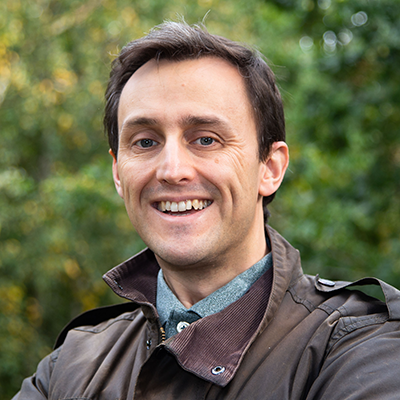
- Location: Bristol
- Year of Fellowship: 2025
- Route to Fellowship: Meritorious Contributions to Clinical practice
Field of work
Clinical practice (private)
Areas of special interest
- Veterinary Oncology
- Haematology
Areas of support
- Collaborative research
- Innovation in professional practice
- International issues
- One Health Agenda
- Professional mentoring
- Promoting knowledge and best practice
- Public engagement
- Translating research into veterinary practice
Professional positions
- Head of Oncology at Bristol Vet Specialists (part of CVS Uk Ltd).
- Member of the ECVIM-CA Examination Committee
- Member of the ESVONC Scientific Committee
Biography
Owen graduated from Cambridge University in 2005 and worked in general practice for almost 10 years before specializing, including over 3 years as a rural (mainly large animal) vet, 3 years of work for charities in the UK and India, and over 3 years in progressive small animal practice. Towards the end of his time in general practice he developed a strong interest in small animal medicine and oncology and passed examinations to award him membership of the Australian & New Zealand College of Veterinary Scientists (chapter of Small Animal Medicine) in 2012. Owen completed a residency in medical oncology at the Royal Veterinary College of London in 2017, and started work for Highcroft Referrals (now Bristol Vet Specialists) soon afterwards. Since then Owen has built up the oncology service at BVS to a 5-vet service, overseen the introduction of radiation therapy and started an ECVIM-CA residency program with 2 residents currently enrolled. Owen has been recognized as a Board-certified specialist in veterinary oncology in America since 2018, the UK since 2019 and Europe since 2021. He is interested in all aspects of medical oncology, especially haematopoietic malignancies, novel therapies for cancer and above all, improving the treatment of cancer in veterinary practice.