-
-
- Advancement of the Professions Committee
- Standards Committee
- Audit and Risk Committee
- Education Committee
- Disciplinary Committee
- Charter Case Committee
- Preliminary Investigation Committee and Disciplinary Committee Liaison Committee
- Registration Committee
- Preliminary Investigation Committee
- Paper classification: some definitions
-
-
-
-
- About extra-mural studies (EMS)
- EMS requirements
- Information for vet students
- Information for EMS providers
- Information for vet schools
- Temporary EMS requirements
- Practice by students - regulations
- Health and safety on EMS placements
- EMS contacts and further guidance
- Extra-mural studies fit for the future
-
-
- Code of Professional Conduct for Veterinary Surgeons
- Code of Professional Conduct for Veterinary Nurses
- Contact the Advice Team
- XL Bully dog ban
- 'Under care' - guidance
- Advice on Schedule 3
- Controlled Drugs Guidance – A to Z
- Dealing with Difficult Situations webinar recordings
- FAQs – Common medicines pitfalls
- FAQs – Routine veterinary practice and clinical veterinary research
- FAQs – Advertising of practice names
- GDPR – RCVS information and Q&As
-
- Accrediting veterinary degrees
- Accrediting veterinary nursing qualifications
- Reasonable adjustments for student vets
- Health and disability in veterinary medicine study and practice
- The role of the veterinary schools and the RCVS
- Reasonable adjustments and the Equality Act 2010
- Reasonable adjustments and Day One Competences
- Examples of reasonable adjustments for vet students
- Annex
- Reasonable adjustments for student vets - summary
- Reasonable adjustments for student veterinary nurses
- Health and disability in veterinary nurse education and training
- Reasonable adjustments for students and the UK disability discrimination legislation
- Educational assessment of veterinary nurses
- Roles of key stakeholders in the application of reasonable adjustments
- Examples of reasonable adjustments for vet nurse students
- Embracing reasonable adjustments for student vet nurses - summary
- External review of the RCVS by ENQA
- Requirements for remote and online student assessments
Mrs Ioana Dobre
Diploma of Doctoral Degree in Veterinary Medicine MSc MRCVS
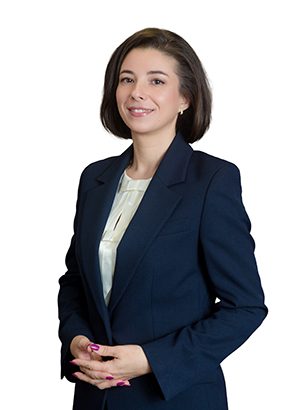 Candidate 4 of 15
Proposers
Miss Aura Maftei MRCVS
Dr Claire White MRCVS
Contact details
A 10 Leith Grove, Chesterfield, Derbyshire
M 07450 247 099
W www.linkedin.com/in/ioana-dobre-288446185
Candidate biography
I am a veterinary surgeon working in veterinary public health and regulation. I am currently Managing Director of Amivet, part of IVC Evidensia, where I lead veterinary services focused on public health, regulatory compliance, and export certification.
My career has been built around the practical delivery of veterinary regulation. I started as an Official Veterinarian in food production and moved into senior leadership roles, working across regulation, industry, and day-to-day delivery. I have led national teams of veterinarians and technical staff, overseen official controls and inspections, and supported export certification across complex supply chains. This work has involved close collaboration with Defra, APHA, FSA, FSS, and industry, with a focus on applying legislation clearly and proportionately in practice.
I hold an MSc in Animal Welfare Management, Food Quality and Safety, and have additional training in auditing and regulatory assurance. I am also a Council member of the Veterinary Public Health Association, which helps keep my work grounded in day-to-day professional reality.
Candidate statement
- Why do you want to stand to be a member of RCVS Council?
I am standing for RCVS Council because I care about how veterinary standards work in real life. Most of my career has involved applying regulation day to day. I have seen what works well, and I have also seen how quickly the role can change and how often it needs review to stay clear and workable.
I want to contribute to Council because it is where important decisions are made about standards, regulation, and public trust. Those decisions matter. They affect how people do their jobs and how the public views the profession. I am motivated by the need for rules and guidance that are clear, fair, and workable.
I am not standing to represent a particular group or sector. I am standing because I value good governance, careful judgment, and listening before making decisions. I am comfortable working with different views and taking collective responsibility once decisions are made. Serving on Council would allow me to bring practical experience, balance, and a steady approach to decision making in the public interest.
- What do you think you can bring to RCVS Council?
I would bring a practical, steady approach to the work of RCVS Council. Much of my career has involved applying standards in real settings, where clarity, fairness, and good judgment matter as much as the rules themselves.
I am comfortable working with complexity and with decisions that do not have simple answers. I am used to listening carefully, weighing evidence, and considering different perspectives before reaching a view. I value open discussion and respectful challenge, and I take collective responsibility seriously once decisions are made.
My experience across food production, export certification, and compliance has shaped how I think about regulation in practice. It has reinforced the importance of consistency, proportionality, and clear communication, particularly where decisions affect both professionals and public confidence.
As a Council member, I would aim to be well prepared, thoughtful, and constructive. I would contribute through calm judgment, collaboration, and a focus on the public interest, while supporting Council as a collective body.
- What relevant experience do you have?
I started my career as an Official Veterinarian in abattoirs, carrying out official controls. That role taught me how regulation feels on the ground, how decisions land in real workplaces, and how important clarity and consistency are when applying standards.
I later moved into roles focused on export certification and compliance. Through this work, I learned how complex supply chains can be, and how easily small gaps in understanding can create real risk. It reinforced the value of clear processes, good evidence, and proportionate decision making.
Alongside this, I have worked in compliance and quality systems, where I learned how to step back, assess risk, and look at whether systems actually do what they are meant to do. That experience sharpened my judgment and helped me become comfortable with scrutiny and challenge.
In senior leadership roles, I have led large veterinary and technical teams and worked closely with regulators and industry. This has given me experience of balancing different perspectives while staying focused on standards, accountability, and the public interest. This mix of frontline, operational, and leadership experience is what I would bring to Council.