-
-
- Advancement of the Professions Committee
- Standards Committee
- Audit and Risk Committee
- Education Committee
- Disciplinary Committee
- Charter Case Committee
- Preliminary Investigation Committee and Disciplinary Committee Liaison Committee
- Registration Committee
- Preliminary Investigation Committee
- Paper classification: some definitions
-
-
-
-
- About extra-mural studies (EMS)
- EMS requirements
- Information for vet students
- Information for EMS providers
- Information for vet schools
- Temporary EMS requirements
- Practice by students - regulations
- Health and safety on EMS placements
- EMS contacts and further guidance
- Extra-mural studies fit for the future
-
-
- Code of Professional Conduct for Veterinary Surgeons
- Code of Professional Conduct for Veterinary Nurses
- Contact the Advice Team
- XL Bully dog ban
- 'Under care' - guidance
- Advice on Schedule 3
- Controlled Drugs Guidance – A to Z
- Dealing with Difficult Situations webinar recordings
- FAQs – Common medicines pitfalls
- FAQs – Routine veterinary practice and clinical veterinary research
- FAQs – Advertising of practice names
- GDPR – RCVS information and Q&As
-
- Accrediting veterinary degrees
- Accrediting veterinary nursing qualifications
- Reasonable adjustments for student vets
- Health and disability in veterinary medicine study and practice
- The role of the veterinary schools and the RCVS
- Reasonable adjustments and the Equality Act 2010
- Reasonable adjustments and Day One Competences
- Examples of reasonable adjustments for vet students
- Annex
- Reasonable adjustments for student vets - summary
- Reasonable adjustments for student veterinary nurses
- Health and disability in veterinary nurse education and training
- Reasonable adjustments for students and the UK disability discrimination legislation
- Educational assessment of veterinary nurses
- Roles of key stakeholders in the application of reasonable adjustments
- Examples of reasonable adjustments for vet nurse students
- Embracing reasonable adjustments for student vet nurses - summary
- External review of the RCVS by ENQA
- Requirements for remote and online student assessments
Dr Viliam Hoferica
BVMSci (Hons) MRSPH CMI Level 5 Certificate in Management and Leadership MRCVS
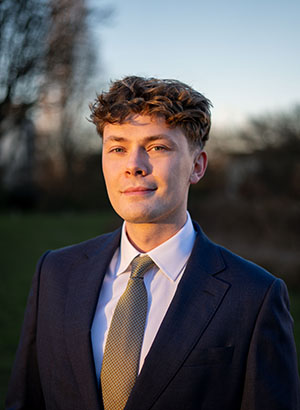 Candidate 6 of 15
Proposers
Dr Kieren Mitchell MRCVS
Dr Elizabeth Wood MRCVS
Contact details
W https://viliamhoferica.carrd.co/
Candidate biography
Dr Viliam Hoferica MRCVS is a veterinary surgeon with experience across first-opinion clinical practice, veterinary public health, and statutory regulation. He graduated in Veterinary Medicine and Science from the University of Surrey in 2022.
Following graduation, Viliam worked in mixed veterinary practice, providing first-opinion and out-of-hours care across companion animals, farm animals, equine, exotics, wildlife, and emergency caseloads. He has also undertaken official veterinarian work, including disease surveillance and certification. He currently works within government veterinary services as a Senior Veterinary Inspector and Border Control Officer, with a focus on statutory compliance, biosecurity, animal welfare, and outbreak response. To remain connected with clinical practice, he regularly undertakes locum work in London.
Alongside his professional roles, Viliam is undertaking a Master of Public Health at the London School of Hygiene and Tropical Medicine. He is actively involved in charitable veterinary work, including volunteering with StreetVet and wildlife and marine rescue organisations, supporting access to veterinary care and animal welfare in diverse settings. His community and volunteering contributions have been recognised through the BBC Make A Difference Award and the London Vet Show 30 Under Thirty.
Viliam is particularly interested in evidence-led, contextualised regulation and the future development of the veterinary profession.
Candidate statement
- Why do you want to stand to be a member of RCVS Council?
I strive to become an RCVS Council member to help ensure that the diversity of career paths and perspectives within the veterinary profession is reflected in its governing bodies. The profession is facing a period of significant change, and I am keen to contribute to maintaining public confidence through service on RCVS Council.
There is clear momentum within the profession to review and modernise the Veterinary Surgeons Act, and I would welcome the opportunity to contribute constructively to discussions on how regulation can better reflect contemporary veterinary practice and emerging challenges.
As a young veterinary surgeon, I am motivated to ensure that the perspectives of early- and mid-career colleagues are taken into account at Council level. Many are navigating both the opportunities and pressures of modern veterinary practice, and their voices are essential in shaping proportionate and future-focused regulation.
I also remain mindful of current pressures facing the profession, including the CMA investigation and increasing scrutiny of veterinary businesses, and the need for careful, evidence-based engagement with these issues.
Finally, I am interested in how emerging developments, including the use of artificial intelligence, may influence veterinary practice and education, and in ensuring that innovation is approached responsibly and ethically.
- What do you think you can bring to RCVS Council?
I bring a grounded, cross-sector perspective informed by experience in clinical practice, veterinary public health, regulation, education, and charity work.
My background includes first-opinion mixed practice with sole-charge responsibilities, alongside official veterinarian tasks, which include import and export certification and notifiable disease outbreak response. More recently, my work within government veterinary services has involved statutory regulation, compliance, disease surveillance, and multi-agency working. This has given me direct insight into how regulation is developed, interpreted, and applied in practice, and how regulatory frameworks, including the Veterinary Surgeons Act, affect both veterinary professionals and animal welfare outcomes.
In addition, I have gained clinical experience within the NHS, working in structured healthcare environments with strong governance, audit, and infection control frameworks. This experience is transferable to veterinary regulation, particularly in understanding proportionate oversight, quality assurance, and the use of evidence to support professional accountability within complex systems.
I remain closely connected to frontline veterinary work through locum practice and voluntary roles supporting vulnerable communities and wildlife care. Together, these experiences enable me to contribute meaningfully to Council discussions, support thoughtful consideration of legislative modernisation, and bring practical insight, regulatory understanding, and a commitment to transparent, evidence-based decision-making.
- What relevant experience do you have?
My experience relevant to RCVS Council includes clinical veterinary practice, statutory and public health work, and roles that require operating within regulated systems.
I began my career in first-opinion mixed practice, working across companion and farm animals, equine, exotics, wildlife, and emergency out-of-hours care. This involved sole-charge decision-making, managing complex caseloads, and communicating effectively with clients, while balancing animal welfare, professional obligations, and the practical realities of veterinary business.
I have also worked extensively in veterinary public health and regulatory settings. In my current role within government veterinary services, I am involved in statutory compliance, disease surveillance, inspections, and incident and outbreak response, working closely with multiple agencies and stakeholders. This has provided first-hand experience of how legislation and professional standards function in practice and how regulatory decisions affect animal health, welfare, and public confidence.
Alongside this, I am undertaking a Master of Public Health, strengthening my understanding of epidemiology, health systems, and evidence-based policy. I continue to maintain active engagement with frontline veterinary work through locum practice and voluntary roles supporting vulnerable communities and wildlife care.
- Is there anything else you would like to add in support of your candidacy?
If elected, I would approach the role of Council member with a strong sense of responsibility, openness, and respect for the diversity of views within the veterinary profession. I recognise that effective regulation requires a careful balance between professional autonomy, public confidence, and animal welfare, and I am committed to upholding that balance.
I value listening and engagement, particularly with colleagues at different career stages and across varied areas of practice. I would aim to support transparent decision-making and clear communication between Council and the wider profession, especially at a time of significant change and scrutiny.
As a relatively early-career veterinary surgeon, I bring an awareness of emerging challenges and opportunities, including workforce sustainability, evolving models of practice, and the responsible adoption of new technologies. I am motivated to serve in a way that is evidence-led, proportionate, and forward-looking, while remaining grounded in the realities of day-to-day veterinary work.
Above all, I am dedicated to upholding the standards and values of the profession and to contributing positively to the work of RCVS Council.