-
-
- Advancement of the Professions Committee
- Standards Committee
- Audit and Risk Committee
- Education Committee
- Disciplinary Committee
- Charter Case Committee
- Preliminary Investigation Committee and Disciplinary Committee Liaison Committee
- Registration Committee
- Preliminary Investigation Committee
- Paper classification: some definitions
-
-
-
-
- About extra-mural studies (EMS)
- EMS requirements
- Information for vet students
- Information for EMS providers
- Information for vet schools
- Temporary EMS requirements
- Practice by students - regulations
- Health and safety on EMS placements
- EMS contacts and further guidance
- Extra-mural studies fit for the future
-
-
- Code of Professional Conduct for Veterinary Surgeons
- Code of Professional Conduct for Veterinary Nurses
- Contact the Advice Team
- XL Bully dog ban
- 'Under care' - guidance
- Advice on Schedule 3
- Controlled Drugs Guidance – A to Z
- Dealing with Difficult Situations webinar recordings
- FAQs – Common medicines pitfalls
- FAQs – Routine veterinary practice and clinical veterinary research
- FAQs – Advertising of practice names
- GDPR – RCVS information and Q&As
-
- Accrediting veterinary degrees
- Accrediting veterinary nursing qualifications
- Reasonable adjustments for student vets
- Health and disability in veterinary medicine study and practice
- The role of the veterinary schools and the RCVS
- Reasonable adjustments and the Equality Act 2010
- Reasonable adjustments and Day One Competences
- Examples of reasonable adjustments for vet students
- Annex
- Reasonable adjustments for student vets - summary
- Reasonable adjustments for student veterinary nurses
- Health and disability in veterinary nurse education and training
- Reasonable adjustments for students and the UK disability discrimination legislation
- Educational assessment of veterinary nurses
- Roles of key stakeholders in the application of reasonable adjustments
- Examples of reasonable adjustments for vet nurse students
- Embracing reasonable adjustments for student vet nurses - summary
- External review of the RCVS by ENQA
- Requirements for remote and online student assessments
Dr Neil Smith
BVetMed MSc MDA MA FRCVS
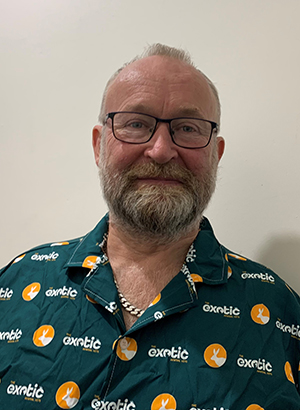 Candidate 12 of 15
Proposers
Dr Mary Varga Smith MRCVS
Dr Colin Whiting MRCVS
Contact details
A 23 Stretford Road, Urmston M41 9JY
M 07813 291 905
W https://www.facebook.com/neil.smith.10004/about
Candidate biography
Owner The Exotic Animal Vets 2025-present
Veterinary Director Cresilon 2023-present
Animal Scientific Regulatory Unit 2019-2023
Captain-Colonel Royal Army Veterinary Corps 1989-2019
included clinical, operational and staff roles.
highlights include Chief Veterinary and Remount Officer, Queen’s Honorary Veterinary Surgeon, Regional Clinical Director Primary Healthcare (humans), commanded 203(Welsh) Field Hospital, Commander Medical Sierra Leone (Ebola Outbreak), involved at all levels during FMD Outbreak 2001.
Currently Honorary Colonel Commandant RAVC.
RCVS Council 2004-08, 2010-22
RCVS President 2013-14
RCVS committees included Preliminary Investigation Committee, Veterinary Nurses Council, Standards Committee, Education Committee, founder member of Audit and Risk Committee and first Chair of PIC/DC Liaison Committee.
Also served on Farriers’ Registration Council and as Trustee of Blue Cross
President of three BVA Divisions and served on the Member Benefits Committee.
Currently Non-Executive Director Blue Cross Trading Company
Chairman, Trafford Veterans CIC
FRCVS 2016
Graduated RVC 1989
Candidate statement
- Why do you want to stand to be a member of RCVS Council?
The RCVS and its Council are on a trajectory for massive change, the largest changes since the first Veterinary Surgeons Act in 1848. Change is definitely needed, but we must ensure the proposed changes are happening for the right reasons.
Do we need a new Veterinary Surgeons Act? Yes.
Should we protect the title of Veterinary Nurse? Yes.
Should we include the regulation of related groups such as Equine Dental Technicians and Meat Inspectors? Yes.
However it is vital that the RCVS is not even more out of touch with its members, or reduce its Royal College role that we should all be very proud and part of.
When I stood down from Council in 2022 I did not intend to be standing again, however the changes that are being proposed are so significant that I want to do my bit to ensure that the second and third order effects are not ignored, such as happened when the prohibition on non-vets owning practices ended.
This is a challenging and exciting time, and I would like to use my experience and knowledge to help shape it.
- What do you think you can bring to RCVS Council?
I bring to RCVS Council a deep understanding of the current issues, but also an understanding of how we got here. But I also bring an open mind, and a desire to work collegiately and find consensus. Council works best when everyone understands the issues well, debates and challenges them, leading to good decisions. Having had 16 years’ experience of Council meetings, including as President, I will be able to hit the ground running.
I also have a lot of ‘real world’ experience of working in challenging environments with people with diverse backgrounds and, where necessary, to tight deadlines. This has been in the UK and overseas (including Bosnia and Hercegovina, Sierra Leone, Kuwait and the United States). I adapt well to different organisational environments and bring a strong commitment to the future of profession, and animal welfare. I volunteer at the University of Lancashire School of Veterinary Medicine for student interviews, and this year will have interviewed close to 200 potential vet students. It is so encouraging to see the enthusiasm and quality of candidates that I want to help shape the profession and regulatory framework for their future.
- What relevant experience do you have?
My prior time on Council and its committees is highly relevant; I feel Council benefits from both 'old' and 'new' members. But it’s not just the time served element, it’s the understanding of how we got to where we are, and why we need to change the regulatory framework to the benefit of everyone.
Becoming a practice owner of a brand new veterinary practice means I am acutely aware of the challenges of vets working on the frontline. But so much else that I have done is relevant to being a member of Council. Working with people from different professions, backgrounds and nationalities gives me a depth and breadth of experience which I believe will be of value to Council and the College. Very few vets have worked in first opinion (including sole charge), OOH, meat inspection, research, conflict environments, as well as heavily involved in two major disease outbreaks (FMD and Ebola). In fact, my experience of leading and managing human healthcare delivery gives me an almost unique background to bring to RCVS Council.
- Is there anything else you would like to add in support of your candidacy?
I am passionate about transparency, and will challenge why issues are debated in secret unless really necessary. I have dealt with many secrets in my career, but there has always been a clear rationale, such as National Security. There are extremely few RCVS matters that reach that threshold!
I also want to increase transparency around votes; if Parliament that runs the country can be transparent about who has voted which way, then so can the RCVS. It is essential that Officers and College officials interact with a range of people and organisations, but there are often vested interests. It is vital that Council understands how proposed policies have been formulated, and they should be kept informed about who has tried to influence.
I would really like the opportunity to serve the College, the profession and the public once more.