Veterinary nurse educators explore the future of the profession at annual conference
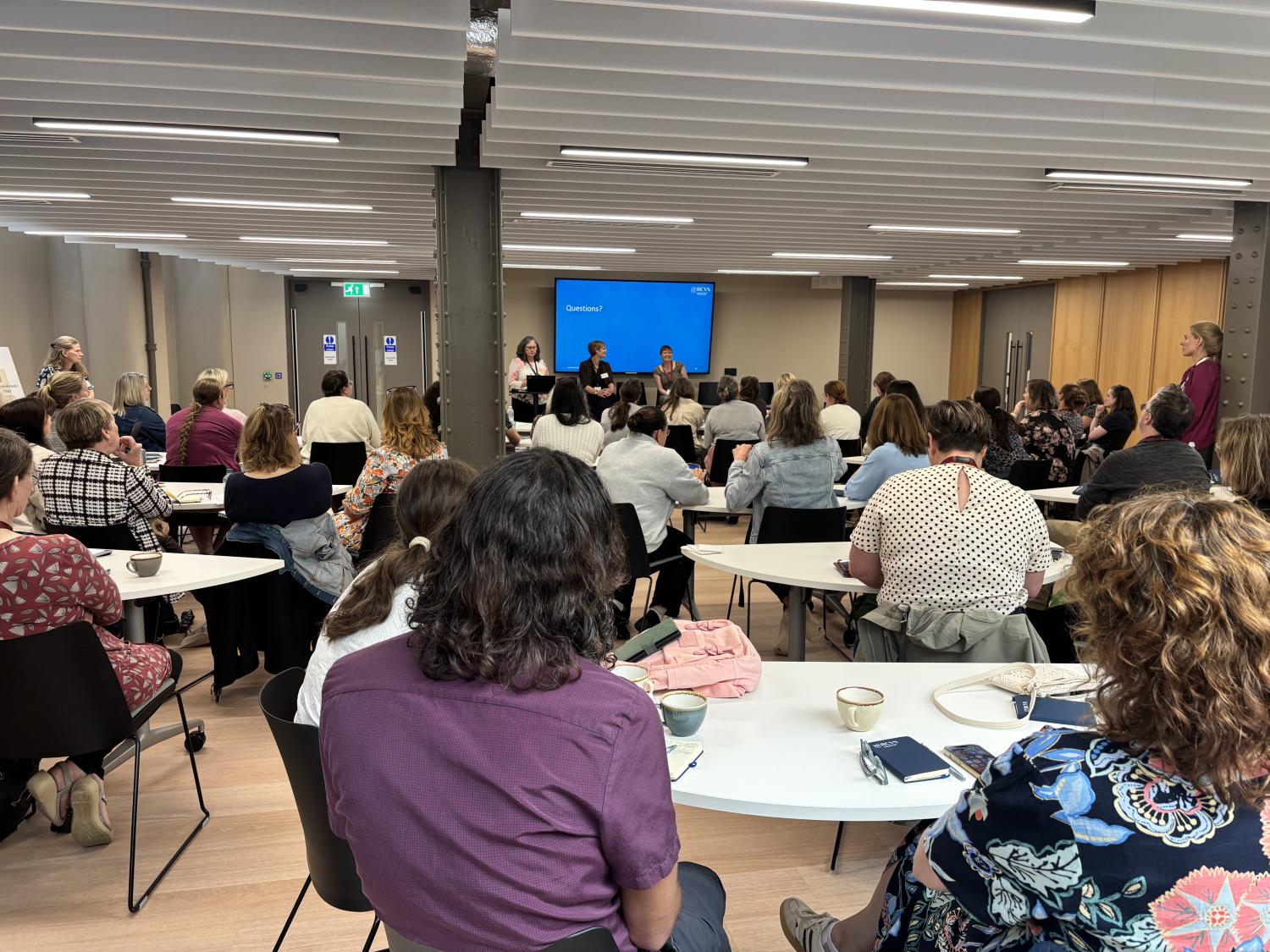
Veterinary nurse educators from across the UK came together at the RCVS to explore the future of the profession at this year's Veterinary Nurse Educator Conference on 17 June 2026, which focused on the theme 'The Future RVN: People, Practice and Technology'.
- Date Published:
The conference brought together educators, accredited educational institutions and veterinary nurses in clinical practice to discuss how education must evolve alongside developments in regulation, veterinary practice and emerging technologies.
Opening the event, Julie Dugmore RVN, RCVS Director of Veterinary Nursing, welcomed delegates and recognised the vital role educators play in shaping the future veterinary nursing workforce.
She said: "As educators, we have a unique privilege. We don't just teach skills or assess competence; we help build confidence, nurture professional identity and inspire the next generation of registered veterinary nurses."
Highlighting the pace of change across the profession, she added: "It gives us the opportunity to reflect on what matters most, to question assumptions, and to think creatively about how we prepare veterinary nurses not just for the profession as it is today, but for the profession it will become tomorrow."
Teamwork and contextualised care
The first session led by Amy Martin RVN, Learning and Development Manager at Veterinary Management Group, explored how veterinary teams can become more inclusive and collaborative.
Amy encouraged delegates to think beyond the traditional practice team, arguing that everyone who influences a patient's outcome should be recognised as part of the care team.
"Team-based veterinary care is not just who is in the building – it involves everyone who influences the patient's outcome. We need to widen the lens," she said.
Amy challenged people to consider whose voices may be missing from decision-making and highlighted the importance of creating psychologically safe environments where every team member feels able to contribute.
Drawing on examples from human healthcare, she also discussed approaches such as Schwartz Rounds, which encourage reflective conversations without judgement to strengthen team wellbeing and communication.
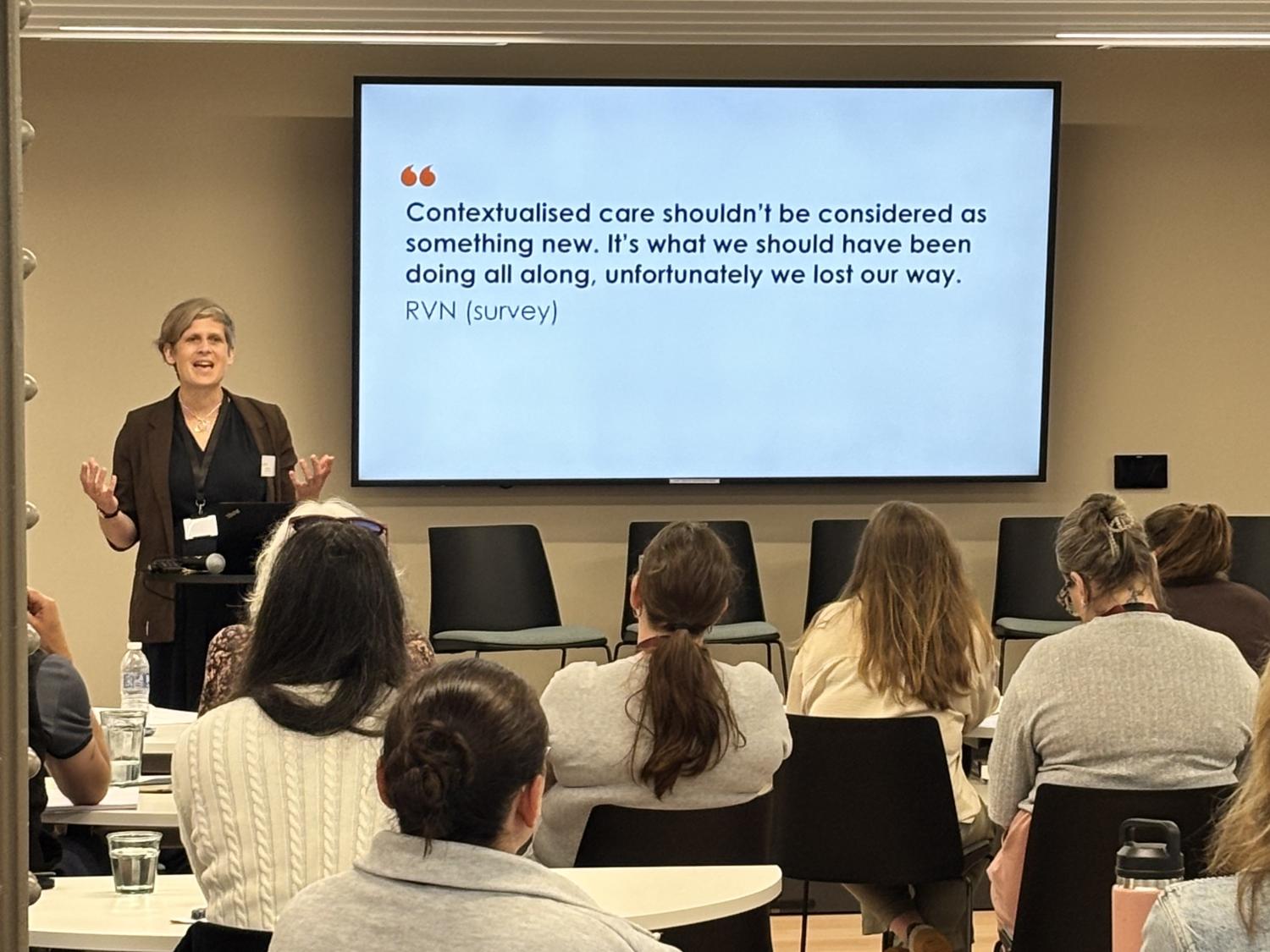
Katie Mantell, CEO of RCVS Knowledge, then explored the growing evidence around contextualised care, looking at how understanding owners' individual circumstances can improve outcomes for both animals and veterinary teams.
Sharing findings from recent RCVS Knowledge research, she highlighted widespread agreement among both professionals and pet owners that contextualised care can improve trust, enhance quality of care and help reduce pet rehoming.
One veterinary nurse surveyed during the research commented: "We all have to be supporting contextualised care otherwise it isn't going to work".
Looking ahead to the future veterinary nursing profession
Ben Myring, RCVS Head of Policy, Insight and Public Affairs, provided delegates with an update on legislative reform and the future regulation of veterinary nurses, outlining how proposed changes to the Veterinary Surgeons Act could create greater professional autonomy and expanded responsibilities.
He discussed the possibility of future nurse practitioner roles, prescribing responsibilities linked to advanced qualifications and reforms that could separate delegation from employment, while emphasising that legislative change would take time.
Addressing questions from delegates, Ben stressed the importance of ensuring any future legislation remains flexible enough to support developments still to come.
"One thing this Act needs to do is be future-proof," he said.
The session also prompted discussion about strengthening the veterinary nursing profession through cultural change within practices. Julie Dugmore highlighted the ongoing VN Vision project, which aims to support practices in embedding and sustaining an enhanced role for veterinary nurses.
Rethinking practical assessment
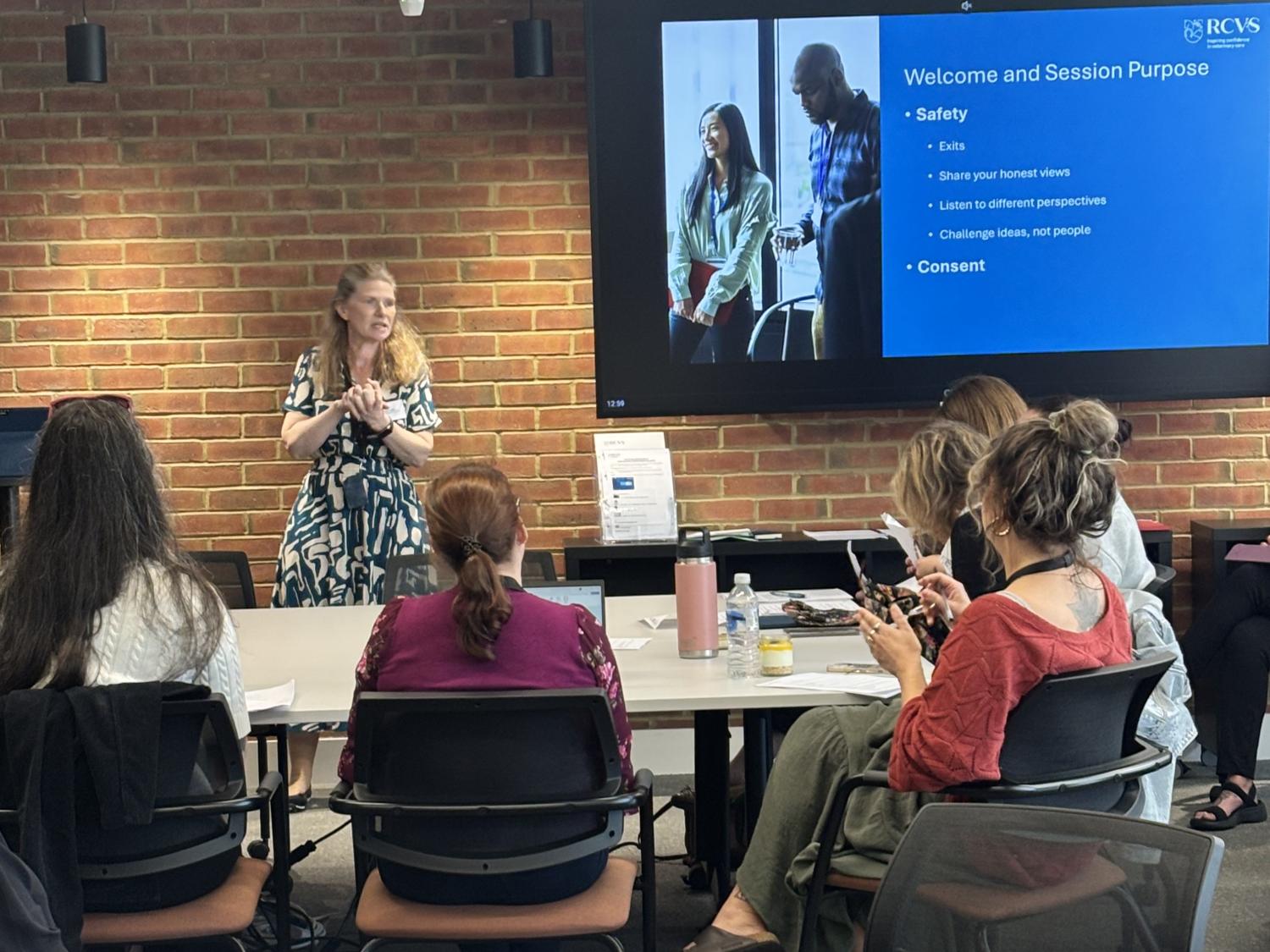
Victoria Hedges RVN, RCVS Head of Veterinary Nursing, introduced delegates to the Practical Assessment of Veterinary Education (PAVE) project, which is exploring future approaches to assessing practical competence.
The project seeks stakeholder views on alternatives to the current objective structured clinical examination (OSCE), recognising that some Day One skills are currently not assessed consistently across approved educational institutions.
Delegates took part in breakout discussions examining the future of practical examinations, workplace-based assessment, and framework and governance.
Discussions highlighted both enthusiasm for more holistic, programmatic assessment approaches and concerns around consistency, standardisation and the additional pressures such changes could place on clinical supervisors.
Victoria encouraged the group to continue contributing as the project develops, with further online workshops planned over the coming months.
Exploring the future scope of practice
Julie Dugmore, led a session examining how veterinary nursing education has evolved over the past six decades and the role it will play in shaping the future scope of practice for registered veterinary nurses (RVNs). Reflecting on key milestones in the profession's development, the session explored the ambitions of VN Vision, including the potential for tiered qualifications, enhanced career progression and a clearer definition of the RVN role.
Delegates highlighted the importance of engaging training providers, employers, the wider veterinary team and the public in the conversation, while discussions also emphasised the need for greater transparency and communication throughout the review process to help build confidence and strengthen engagement across the profession.
Preparing students for technology-enabled practice
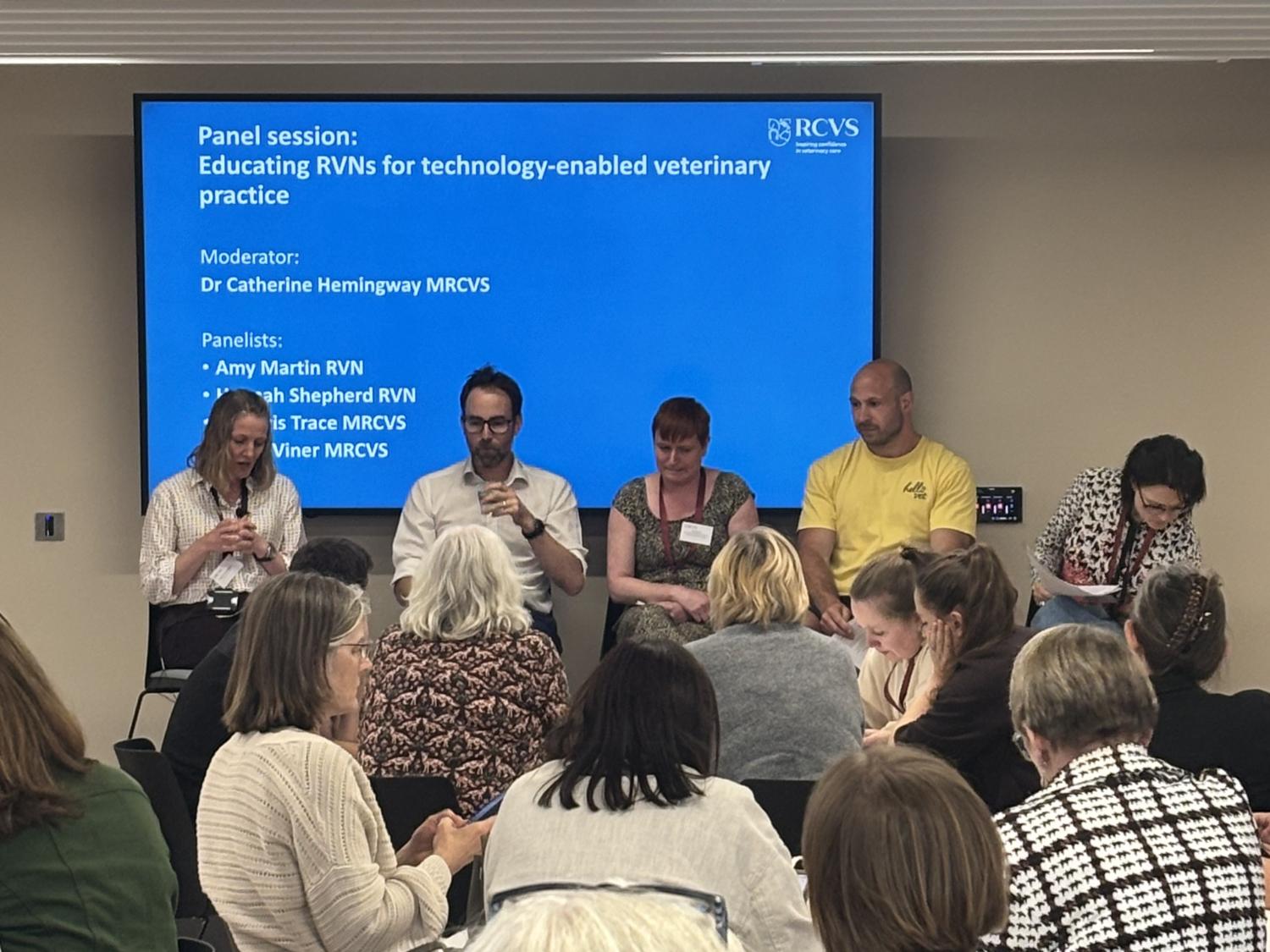
The conference concluded with a panel discussion examining how technology, particularly artificial intelligence (AI), is changing veterinary practice and what this means for veterinary nurse education.
Chaired by RCVS Project Lead Dr Catherine Hemingway MRCVS, the panel brought together Amy Martin RVN, Hannah Shepherd RVN, Chris Trace MRCVS and Oli Viner MRCVS, each bringing perspectives from clinical practice, education, software development and digital innovation.
While panellists agreed that AI has enormous potential to reduce administrative burden and improve communication, they emphasised that critical thinking and professional judgement remain essential.
Oli Viner reminded delegates that "AI is really good until it isn't", encouraging professionals to embrace technology while understanding its limitations.
Chris Trace challenged assumptions that younger generations naturally understand digital tools, warning that “AI can be very good at being convincing - but can be convincingly wrong”. He highlighted the need to teach students how to evaluate information critically rather than accepting outputs at face value.
Amy Martin also encouraged educators to help students engage with AI thoughtfully, using it as "a sparring partner" while ensuring human creativity and critical thinking remain central to learning.
Hannah Shepherd discussed how technology won’t replace the human side of nursing – such as the ability to show compassion as well as clinical judgment. But she recognised it could “reduce the burden of admin to free us up to do more things we enjoy - like patient care”.
The panel also explored issues including data governance, environmental sustainability, accessibility and the future role of AI within veterinary education and practice, with delegates encouraged to remain curious while applying the same evidence-based approach expected in clinical decision-making.
Closing the conference, attendees were encouraged to continue the conversations beyond the event, reflecting the day's central message that preparing the future veterinary nurse will require collaboration, innovation and a willingness to embrace change while keeping people and patient care at the heart of the profession.

RCVS Knowledge CEO Katie Mantell delivers her presentation
RCVS Knowledge CEO Katie Mantell delivers her presentation

RCVS Head of Veterinary Nursing Victoria Hedges presents at the conference
RCVS Head of Veterinary Nursing Victoria Hedges presents at the conference


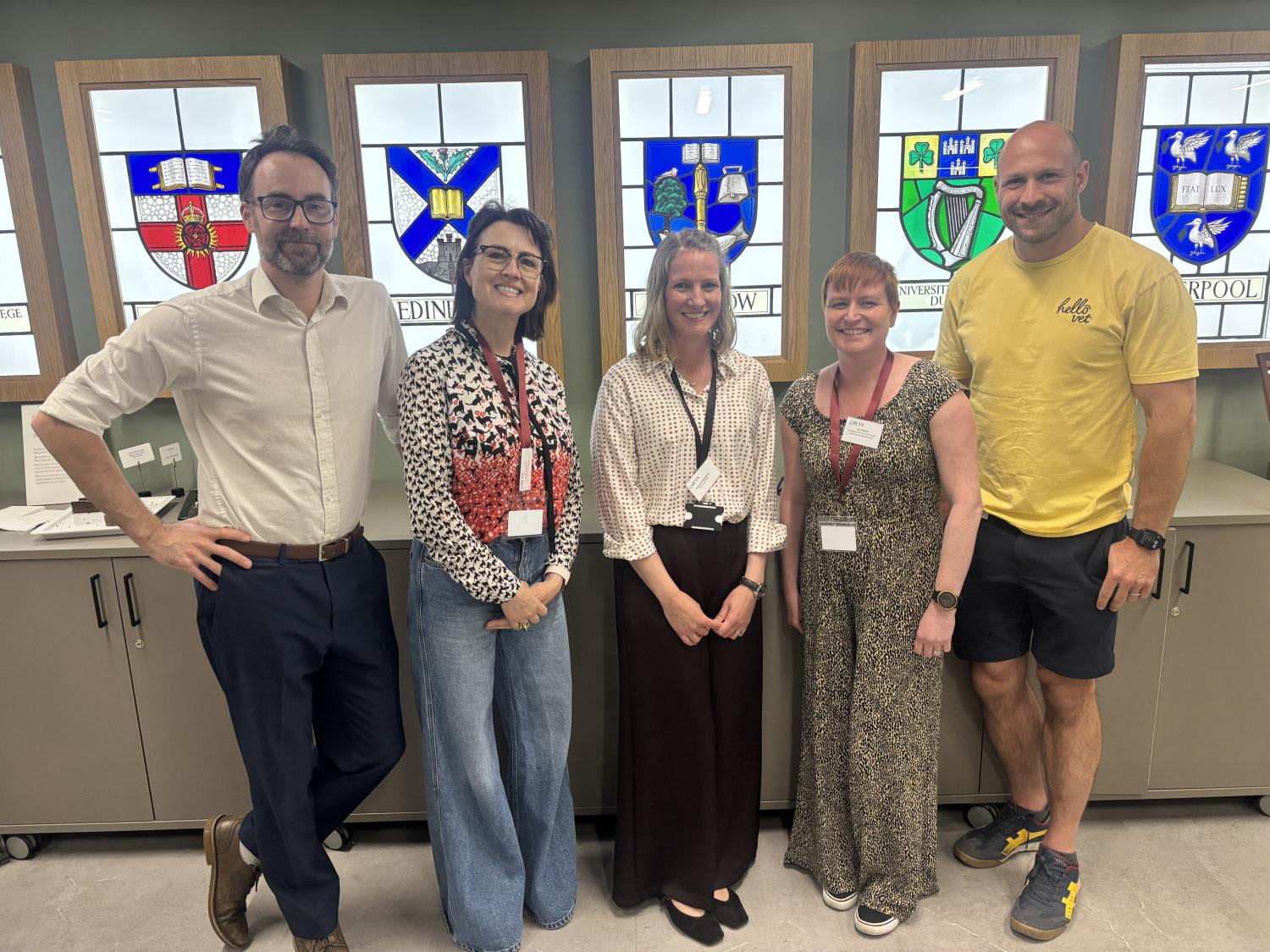
The panellists at the RCVS headquarters
Left to right: Dr Chris Trace, Hannah Shepherd, Dr Catherine Hemmingway, Amy Martin, and Dr Oli Viner
The panellists at the RCVS headquarters
Left to right: Dr Chris Trace, Hannah Shepherd, Dr Catherine Hemmingway, Amy Martin, and Dr Oli Viner