


Prescription medication
Understand pet prescriptions and make safe, informed choices when buying medicines.
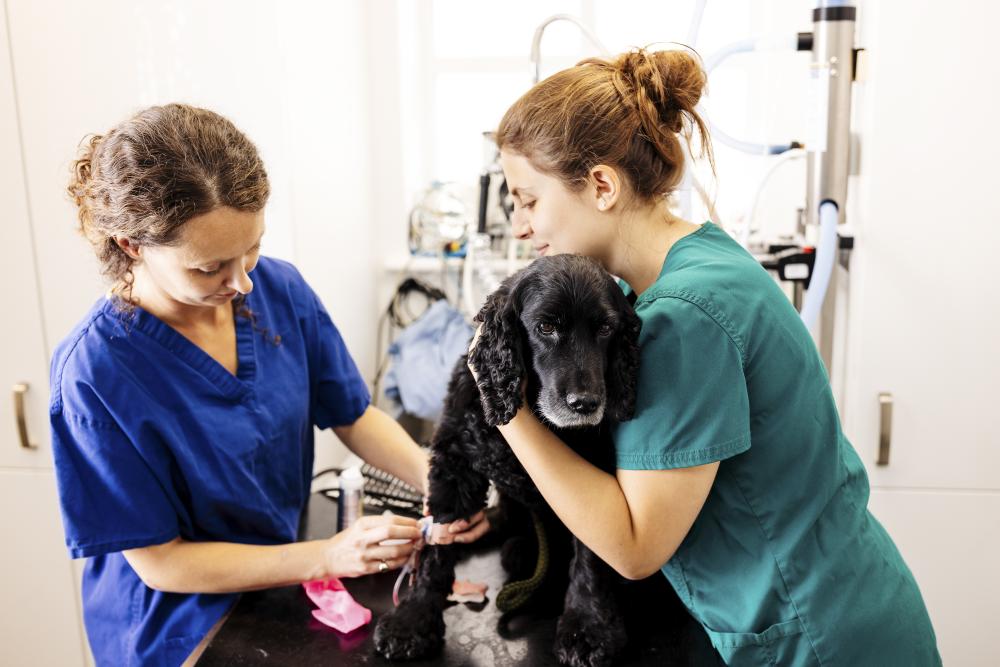
Vets have a responsibility to clearly communicate the treatment options available to your pet - and you can play a vital role in this process.
We explain the various types of care you may be offered, and share some useful tips to help ensure you and your vet are on the same page about the best way forward.
Vets and vet nurses have professional responsibilities to the animals under their care, their clients, the veterinary professions, their colleagues, the RCVS, and the wider public.
When they first register with the RCVS, they make a formal declaration - or promise - to always do their best to ensure the health and welfare of animals under their care.
They agree to follow the RCVS Code of Professional Conduct and to fulfil their professional responsibilities by adhering to five key principles of practice:
These principles ensure your pet's welfare comes first in every decision.
Although your vet will be able to offer and explain a range of treatment options, it is ultimately for you to decide which is right for you and your pet. If your vet doesn’t present different options, you can ask whether there are any.
Choosing an option may not be an easy decision, so you should ask your vet for any additional advice they might be able to provide, based on their experience. You may also find it helpful to ask friends and family their thoughts.
In non-urgent situations, you will generally have time to think about the options before any treatment starts. This will also give you time to check whether the proposed plan will be covered by your pet's insurance. It might help to write down the different treatment options so you can refer back to them later.
Whatever the circumstances, your vet’s main priority will be the health and welfare of your pet.
Sometimes, your pet might need to stay at the veterinary practice or at a specialist veterinary hospital for ongoing treatment and inpatient care.
Your vet should explain:
If your pet requires in-patient care, your practice should be able to tell you approximately how long this might be for, who may be caring for your animal, and whether (and how) your pet might need to be moved to other premises.
Your practice should obtain your informed consent for this, so that you understand the arrangements to be made, the level of supervision, and any transport arrangements.
If your vet delegates the care of your animal to a colleague, they must first be satisfied that the person providing care has the appropriate qualifications, skills and experience to do so safely.
If your vet is at all uncertain about your pet’s condition or the appropriate treatment, they may decide to seek a second opinion before proceeding. Typically, this would be the view of another colleague in the same practice.
You also have the right to seek a second opinion. This could also be from another person in the same practice - or from a different practice entirely.
If you seek a second opinion from elsewhere, you should tell the second-opinion practice that your animal has already been seen by your original practice, so they know to request your animal’s clinical records. This will help ensure tests are not repeated unnecessarily and that any medication does not interfere with previous treatment.
Your vet should tell you what level of supervision will be provided for your animal, and by whom, especially outside of normal working hours.
You should expect to pay an additional fee at the second-opinion practice.
We expect vets to recognise when they do not have sufficient knowledge or expertise in a particular case.
They should be prepared to refer such cases to a colleague, organisation or institution that is better able to carry out the investigations or treatment.
Before referring a case, your vet should discuss the situation with you carefully. They should explain who the referral vet or practice is, their level of expertise, and whether they have any links to them.
Both your vet and the referral vet should make sure you understand and agree to the likely costs of the referral, before it goes ahead.
When speaking to your vet or vet nurse, it is important to actively engage in the discussion and ensure you fully understand what they are saying.
It is perfectly acceptable to ask questions about anything relating to your pet’s care or to ask for a simpler explanation. Your vet should use language that is easy to understand and allow you enough time to ask questions and make informed choices.
It can be good idea to write a list of things you’d like to know before your appointment, so that you don’t forget anything. You could also take someone with you to help remember all the information you receive.
Before treatment starts, your vet must obtain your consent to ensure you understand and agree to what they're proposing. This is called informed consent, and it protects both you and your pet.
This means that your vet has first:
You should be aware that 'reasonable treatment options' may include euthanasia (putting your pet to sleep), as well as the option to monitor your animal without further tests or treatment.
We do not expect your vet to obtain your informed consent if to do so would risk your pet’s welfare, for example, in an emergency when you are not available to give consent.
Some vet practices offer health or care plans, which typically include a number and type of appointments and treatments over a fixed period.
These plans can offer value for money, and enable you to budget for the cost of routine veterinary care for your pet.
We recommend discussing any such plan carefully with your vet to ensure you understand what is included, how much it will cost, and whether any associated medicines or treatments are suitable for your pet's particular needs.
Sometimes, your vet or vet nurse might refuse to carry out a procedure or treatment due to a conscientious objection; that is, they disagree with it on moral grounds.
They must only do this if they are satisfied that the welfare of your animal is not compromised. They should then make alternative arrangements for your animal, or ensure you know how to find veterinary help elsewhere.
You should not ask your vet to carry out any procedures that are against UK law. This includes purely cosmetic or convenience procedures such as ear-cropping, declawing or devocalisation, unless there is a medical reason.
Certain practices known as mutilations, such as tail-docking in specific dog breeds, are exempt from the legal ban. For full details, you should refer to the relevant legislation in each of the UK’s four nations:
Vets often provide advice in different circumstances as part of their work, but the extent of this advice must be based on how much information they have about an animal.
If your pet isn't physically present when you ask a vet for advice - for example, during a phone call or online consultation - they may only be able to provide limited information or a more restricted level of service. This helps ensure that they do not compromise your pet's welfare or any future veterinary care they may receive.
If you don’t already know, check in advance whether your practice makes a charge for providing information or advice-only services.


