New RCVS President sets out how contextualised care can help solve complex problems facing the professions

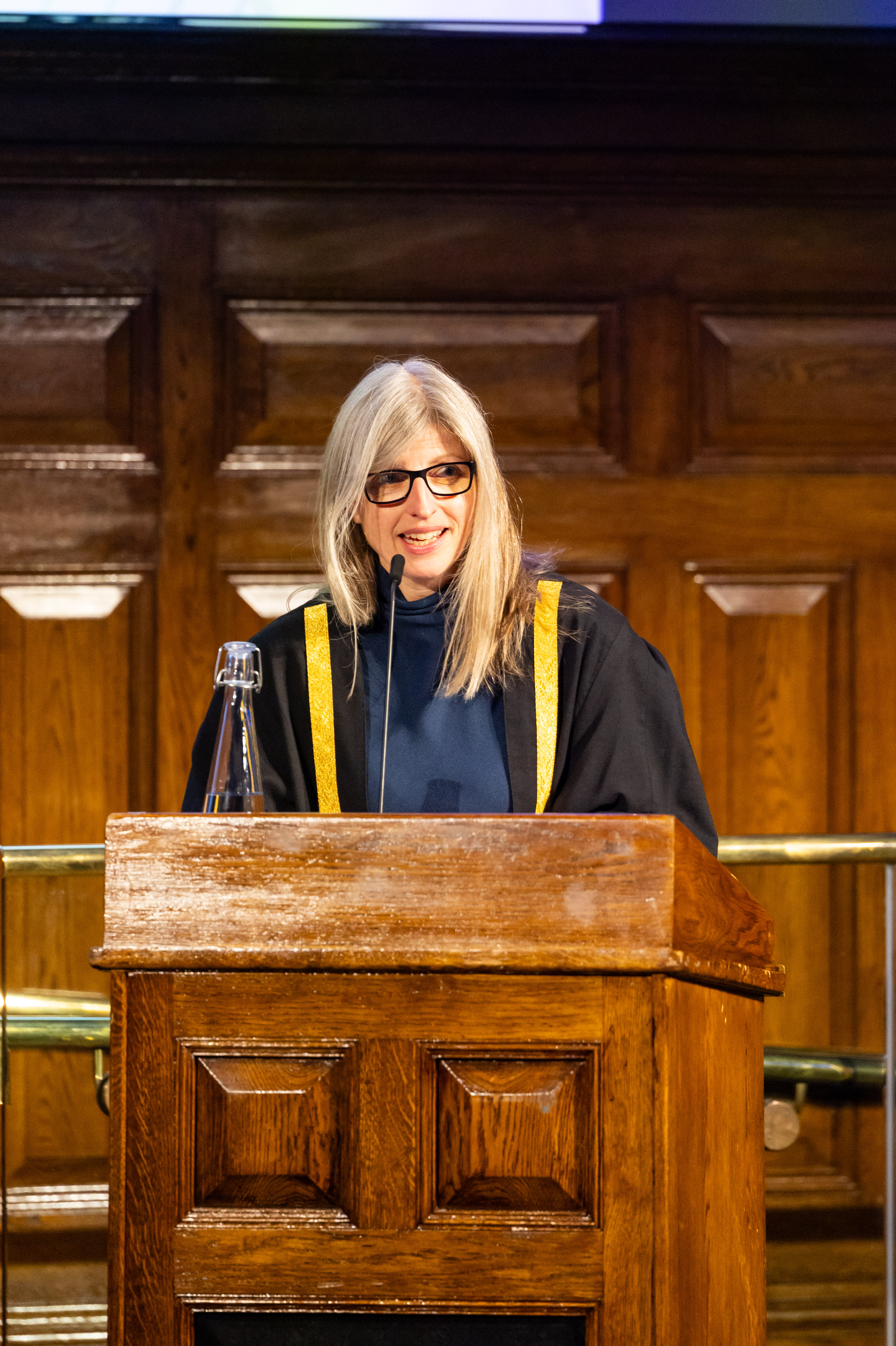
Following his inauguration as the 150th RCVS President and during his opening address, Tim Hutchinson MRCVS referenced Joseph Tainter’s 1988 work 'The Collapse of Complex Societies' and spoke about how the veterinary professions were faced with greater complexity than ever before. 

Date Published:
Councils & Committees
Events and meetings
Events/meetings
VN Council

This greater complexity manifested as increasingly complex treatment options available to clinicians, increasingly complex demands from clients, an increasingly complex population of animals to treat and care for, and an increasingly complex regulatory, legislative and business framework, requiring greater use of limited time and resources to navigate. 
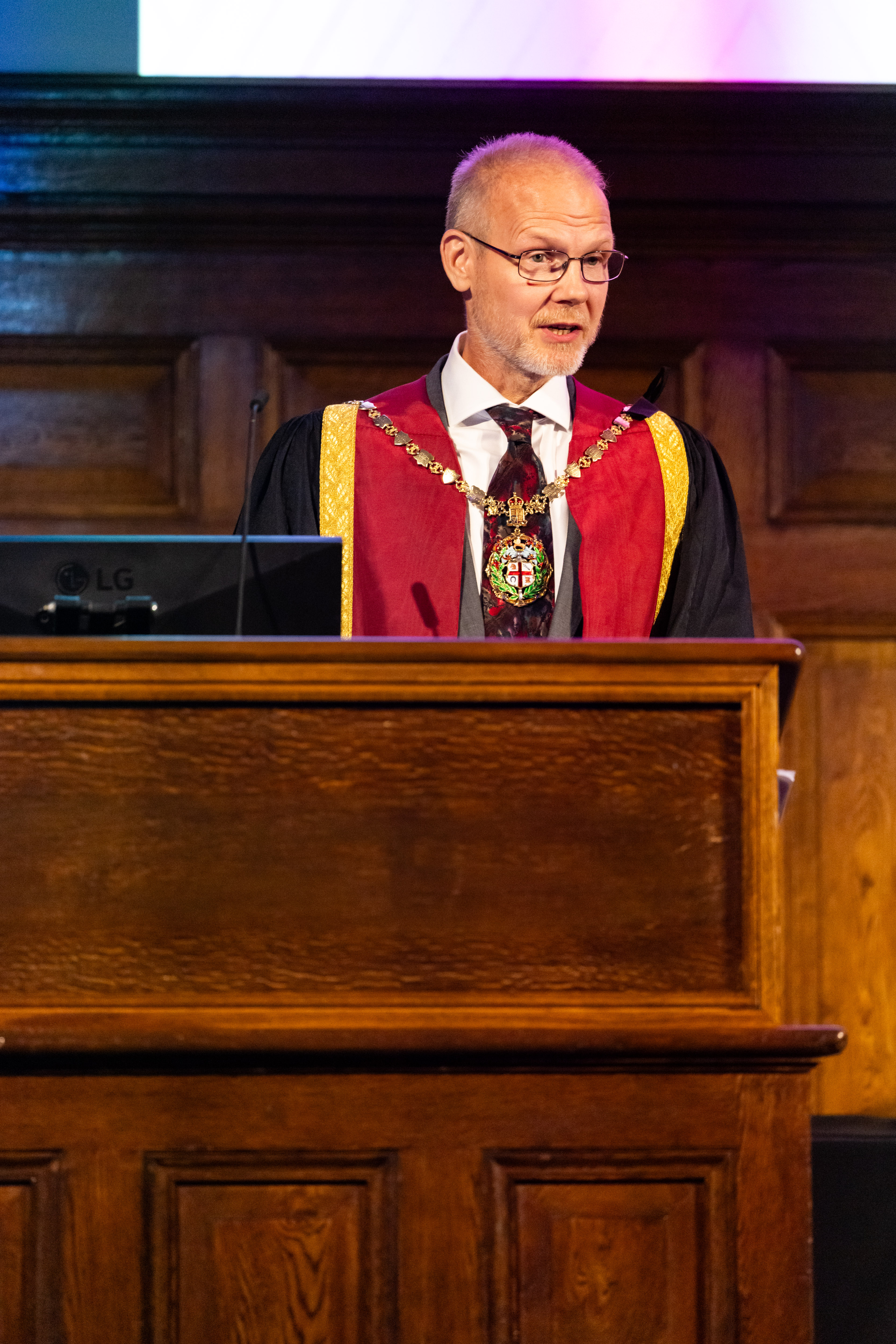
However, Tim identified contextualised care – defined as a way of delivering veterinary care that is adapted to the needs and circumstances of the individual animal, its owner and the wider context – as the solution to the possibility that the veterinary sector may collapse under the weight of complexity. 

He said: “We recognise that, inevitably, there is a cost to progress and sophistication and as such, the simple law of economics means that not all diagnostic tools or therapeutic interventions can be available to all animals. And if we accept that the high costs of the most complex animal healthcare will not be affordable by all our clients, we by default recognise that we need to provide a range of approaches and treatments, so that we can match the most appropriate approach to the context of the animal and its owner.  

“As professionals, our role is to ensure that we find this right approach, always with animal health and welfare front of mind and to deliver whichever approach we take to the best of our abilities. What we do for each individual case might vary; the quality of how we do it shouldn’t.”

Addressing the challenges of contextualised care, he added: “Developing the art of contextualised care requires years of experience. For recent graduates, the juxtaposition of the demands for contextualisation with the completely understandable clinical naivety can lead to stress for clinicians. Consequently, the solution to a sustainable future for our profession lies in ensuring that the wisdom of experience can be passed down the generations with kindness and support.  

 “And given that so much of the art of contextualised care revolves around human factors, specifically communication, we can help by ensuring that all professionals feel empowered to give themselves the permission to recognise that focusing CPD on elements such as communication skills are equally, if not more valuable, than learning more clinical material.”

He said that during his presidential year, he would therefore commit to helping the profession embrace the art of contextualised care, use the collective experience of the RCVS to support the development of others to practise in a contextualised way, and encourage collaboration within the sector to deliver economies of scale. 

Tim Hutchinson gave his address (a full transcript is available to read in full) at Royal College Day 2026 – the Annual General Meeting and awards ceremony of the RCVS – which took place on Friday 3 July at One Great George Street in Westminster. 

An elected member of RCVS Council since 2023, Tim Hutchinson is Managing Director at Larkmead Vets, an independent practice based in South Oxfordshire. He graduated from Liverpool Vet School in1994 and started his clinical career at a city-centre small animal practice in West Yorkshire, where he remained for four years before relocating to Larkmead. 

He became a partner in 2000, completed his Certificate in Small Animal Surgery in 2002 and is now an RCVS Advanced Practitioner in Small Animal Surgery. He has co-authored and edited the British Small Animal Veterinary Association (BSAVA) Manuals of Surgical Principles and Canine Practice.

Since joining Council he has served on the Education Committee, Finance & Resources Committee, Registration Committee, Veterinary Nurses Council and Advanced Practitioner Qualifications Subcommittee, and Chairs the Panel of Assessors of Advanced Practitioners, as well as being on the working groups for the Competition and Markets Authority’s market investigation for veterinary services and legislative reform. 

Annual General Meeting

Royal College Day 2026 started with the College’s AGM, where the Annual Report and Financial Statements for 2025 (available from the RCVS website) were formally approved and where the results of the 2026 RCVS Council and Veterinary Nurses Council elections were announced and new members welcomed to their terms.

The RCVS also answered questions that had been submitted in advance by the British Veterinary Association (BVA) and Dr Paul Watkins MRCVS. The first concerned the costs to the professions for the RCVS to deliver the remedies from the Competition and Markets Authority’s (CMA) investigation, while the second concerned the College’s investment income and the cost of its new website. 

Newly-elected RCVS Council members Ian Battersby FRCVS, Dr Neil Smith FRCVS and Dr Lara Wilson MRCVS were welcomed by then RCVS President Tim Parkin FRCVS to their four-year terms, as were newly appointed lay RCVS Council members Gail Fleming and Helen Grantham, as well as Alison Price MRCVS, who was taking up the remainder of Dr Alice McLeish’s term of office on Council. Farewells were also said to retiring elected Council members Dr Abbie Calow MRCVS, Dr Olivia Cook MRCVS and Dr Sue Paterson FRCVS, as well as appointed lay members Derek Bray and Tim Walker, and Chair of the Audit and Risk Committee Victor Olowe. 

For Veterinary Nurses Council, new members Meghan Conroy RVN and Lauren Hargrave RVN were welcomed for their three-year terms by the then Chair of VN Council Belinda Andrews-Jones RVN. Farewells were said to former VN Council Chair Matthew Rendle RVN as well as elected member Simon Williams RVN. 

Following the conclusion of the AGM, a short meeting of RCVS Council was convened to confirm the Presidential Team for 2026-27, with Tim Hutchinson MRCVS as President, Professor Tim Parkin FRCVS as Senior Vice-President, Professor David Barrett FRCVS as Junior Vice-President and Linda Belton MRCVS as Treasurer. 

CEO address

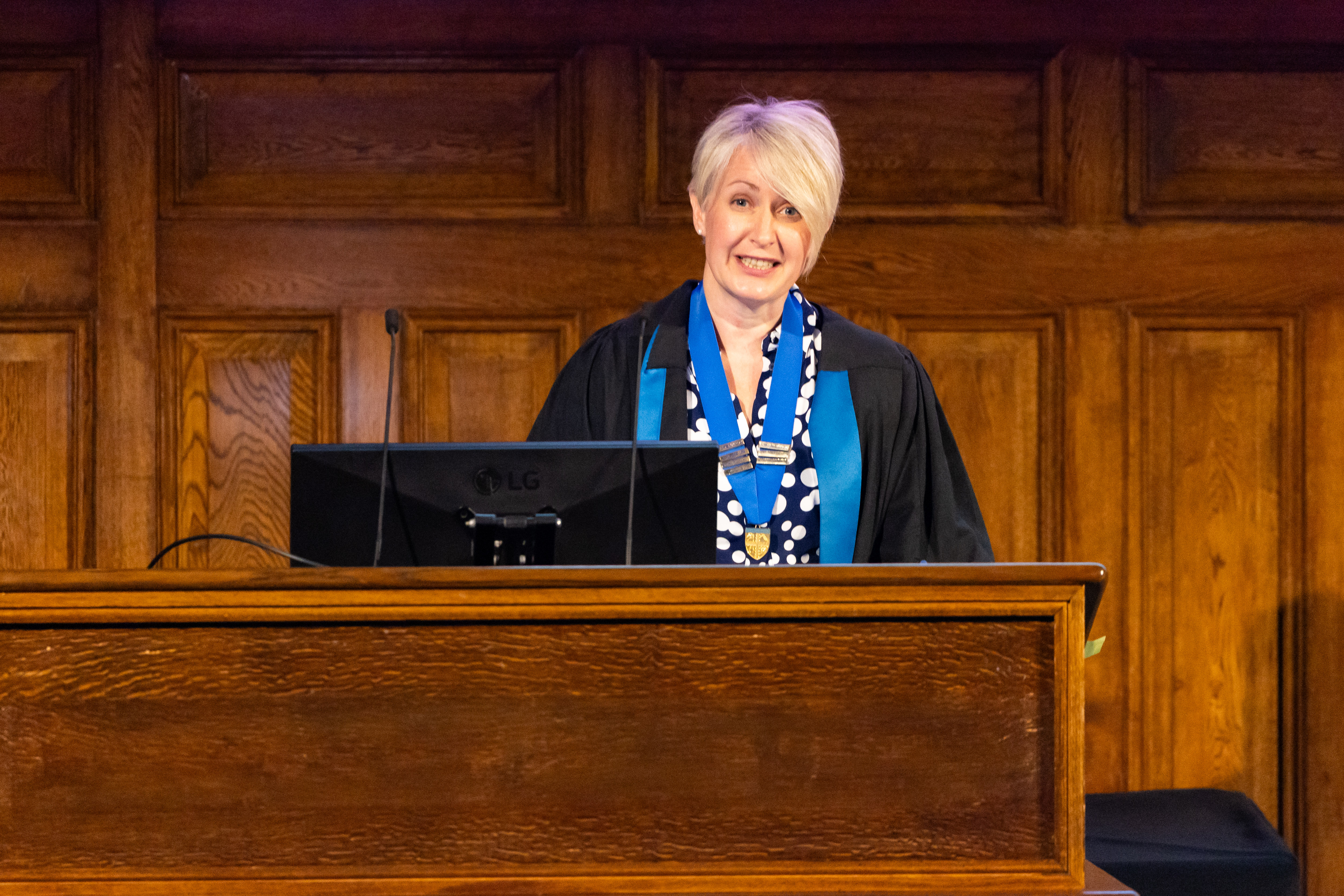
Following confirmation of the presidential team for 2026-27, RCVS CEO Lizzie Lockett delivered her annual address (available to read in full), a review of the presidential year just gone from an operational and staff point of view. She took as her starting point the strategic leadership concept of ‘VUCA’ – meaning volatility, uncertainty, complexity and ambiguity – and how this, to a certain extent, defined the year just gone, as the College grappled with the CMA investigation and legislative reform. 

However, Lizzie made clear that the RCVS had achieved great things in spite of external pressures, saying: “I might be giving you the impression that we have only been at the mercy of external forces this year, buffeting us about, and that this has been a bad thing.

“But ambiguity and uncertainty can be good for an organisation. It’s in these misty lacunae that we can evolve and thrive – and change is certainly something the College has sought – and weathered – often, since its establishment in 1844.  

“There is a quote with which you may be familiar: ‘A ship in harbour is safe – but that’s not what ships are built for.’

“The good ship RCVS may be entering its biggest period of change yet, but it is still out there on the water, steering a steady course, working together with its stakeholders to deliver the best it can for animal health and welfare, and public health.”

She pointed to significant RCVS achievements in the year, despite the external pressures, such as the inaugural International Postgraduate Education Symposium, the VN Educators Conference, launching the AI Transparency Alliance and the ‘Let’s talk adjustments’ campaign on reasonable adjustments in the veterinary sector. 

She concluded by thanking Tim Parkin and his colleagues on the presidential team and RCVS Council for their support, as well as the RCVS staff team for showing “such grace under pressure.” 

Honours and awards

Following a lunch break, Royal College Day moved on to its awards ceremony, where the recipients of this year’s RCVS and RCVS Knowledge awards formally received their accolades. The full list of award winners can be found in the Royal College Day 2026 programme

Among those being honoured was Professor Lance Lanyon HonFRCVS (pictured), who received the RCVS Queen’s Medal - the highest honour that can be bestowed upon an individual veterinary surgeon - for his academic, research and management career, which included being Principal of the Royal Veterinary College from 1989 to 2004, as well as groundbreaking research on bone biology and osteoporosis. 

Lance was given the opportunity to make a speech after receiving the medal, in which he commented that he became a veterinary surgeon aged 22 in 1966, just as the England men’s football team were winning the World Cup, and describing the journey he had been on since that point, noting the support he had from colleagues, friends and family. 

Addresses by outgoing and incoming chairs of VN Council

In her final address to Royal College Day as Chair of VN Council, Belinda Andrews-Jones spoke about the honour of serving in this position for the past three years, and how conversations within and about the profession had changed, particularly with legislative reform on the horizon. 

She cited the ongoing VN Vision programme and how this was examining the way in which the skills and experience of nurses could be better utilised in practice, both currently and under any future regulatory framework, as well as her contribution, and that of other VNs, to the Practice Standards Scheme. 

She said: “This work will help practices continue to evolve alongside modern veterinary care, supporting high standards, innovation, team-based working and positive cultures across the profession.”

The overall highlight of her role as VN Council Chair, however, was welcoming new veterinary nurses to the Register through the regular RCVS awards ceremonies. 

She added: “I have had the extraordinary honour of welcoming and administering the professional declaration to well over a thousand newly qualified Registered Veterinary Nurses at graduation ceremonies across the country. 

“Each declaration represented far more than a ceremonial moment. It marked years of hard work, determination and commitment. Standing alongside those graduates as they formally entered our profession has been one of the greatest privileges of my career. Their enthusiasm, passion and optimism for the future have continually reminded me why the work we do matters. 

“They are the future of veterinary nursing. They are the reason we must continue to challenge ourselves, continue to modernise, and continue to advocate for a profession that enables them to thrive.”

Belinda’s successor, Kirsty Young RVN (pictured), followed with her opening address for the beginning of her term as VN Council Chair, thanking her predecessors and setting out her vision. Kirsty is Acting Registrar at SRUC and has been a member of VN Council since 2024. She also sits on RCVS Council and chairs the Public Advisory Group, which brings together animal owners and keepers to advise and help the RCVS to fulfil its role as a regulator working in the public interest. 

She said: “Veterinary nursing is a profession built on compassion, resilience, and skill. Every day, veterinary nurses uphold the highest standards of patient care while supporting clients and colleagues through moments of joy and challenge alike. 

“To be involved with such a dedicated community is truly inspiring, and I am keen to support the development of the vital role that veterinary nurses play in modern veterinary practice. As Chair, my priorities are strengthening professional recognition, supporting well-being, and shaping the future of our profession.  

“The reform of the Veterinary Surgeons Act can be viewed with excitement and/or trepidation but the potential for change to empower RVNs in their role is key driver for my involvement with the RCVS. After more than 25 years in veterinary nursing across clinical practice, education and governance, I’m very proud to take on this role at such an important time for the profession.”

The full text of Belinda’s speech and Kirsty’s speech are available to read. 

President’s address

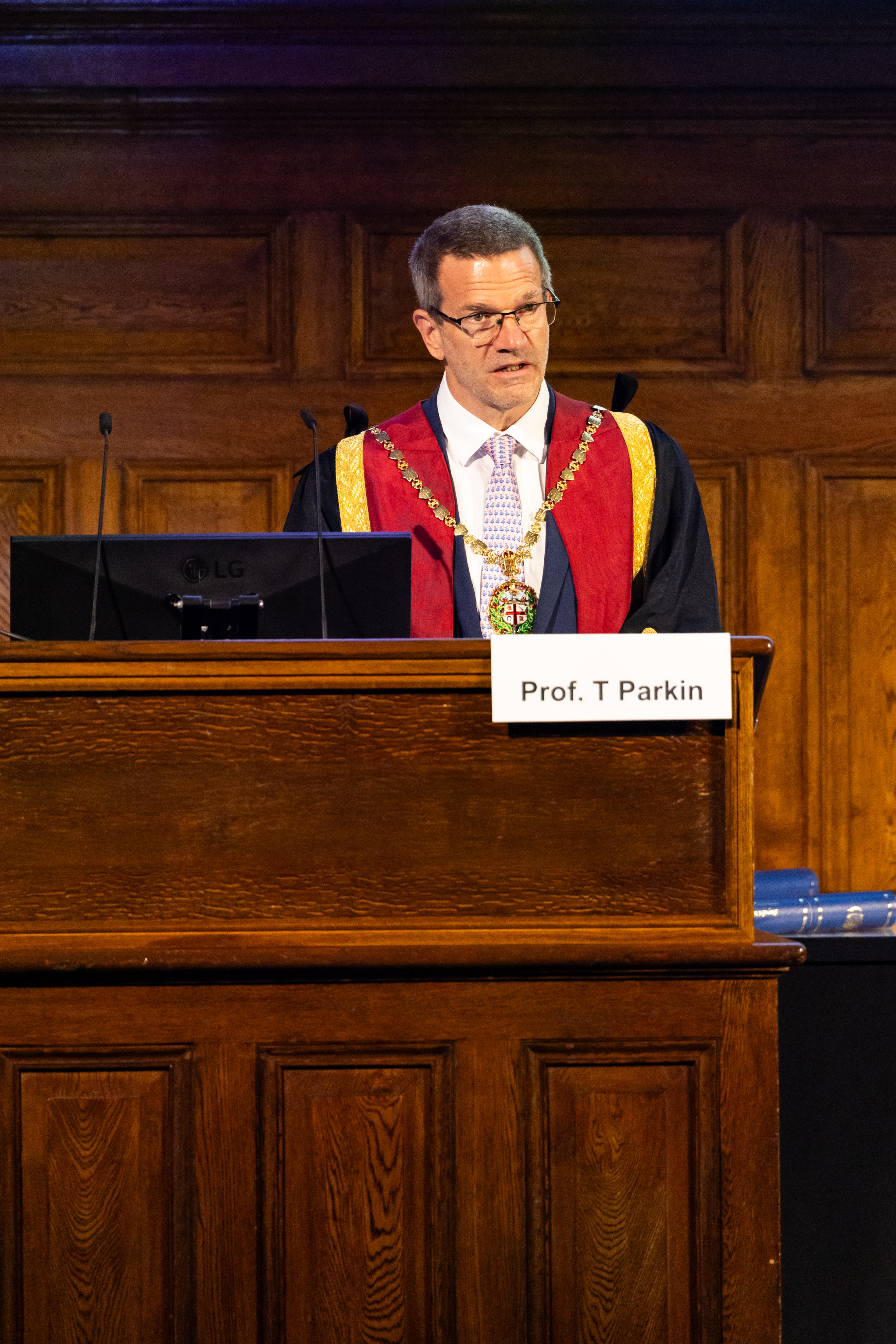
Ahead of the investiture of Tim Hutchinson as new RCVS President, Tim Parkin gave his outgoing presidential address, giving his personal reflections on the year as President and what he and the College achieved in that time. 

He said that, while the year was dominated by two three-letter acronyms – namely CMA and VSA (Veterinary Surgeons Act) – there was a lot more that had happened in the College during this time. As Education Committee Chair, he highlighted the progress made in the Veterinary Clinical Career Pathways (VCCP) project, which had just recently delivered the draft curriculum for a future programme of specialty training for primary care veterinary surgeons, as well as the College welcoming a new record number of overseas veterinary surgeons who had passed the Statutory Membership Examination (SME). 

Turning to CMA and VSA he added: “We anticipate Defra responses to both the CMA outcomes and the VSA consultation imminently. At that point we will have greater clarity on what the future holds. 

“With regard to the VSA, it has been notable the significant amount of common ground and positivity from all stakeholders to the vast majority of that contained within the consultation.  

“We have met on several occasions with the Defra Minister, Baroness Hayman, and look forward to the publication of the White Paper soon. 

“An enormous amount of credit must go to the teams at the College for dealing with requests and needs to respond, sometimes in haste. The volume of additional work created by the CMA and VSA work is not sustainable and I think all at the College are looking forward to getting close to the end of the beginning – as we all recognise there will be significant additional work to undertake over the next few months and years to both monitor CMA remedies and put into place what comes from a reformed VSA.”

He framed his next observations about working with the RCVS with reference to his favourite film, The Good, the Bad and the Ugly. In terms of the good, he had observed with admiration how the RCVS staff worked to benefit the professions and the public; for the bad, he cited the additional workload and deadlines imposed on the College by external factors; and for the ugly, he mentioned the abuse that some College staff, Officers and Council members experienced from a small minority of the professions. 

Following his speech, he handed over the Presidential gown and chain of office to Tim Hutchinson who, in his first duty as RCVS President, welcomed David Barrett as the new Junior Vice-President and Linda Belton as Treasurer. He also paid tribute to his predecessors, Tim Parkin and Linda Belton, as well as Dr Tshidi Gardiner MRCVS as the outgoing RCVS Treasurer. 

A full copy of Tim Parkin’s speech is available to read in full

Guest speaker

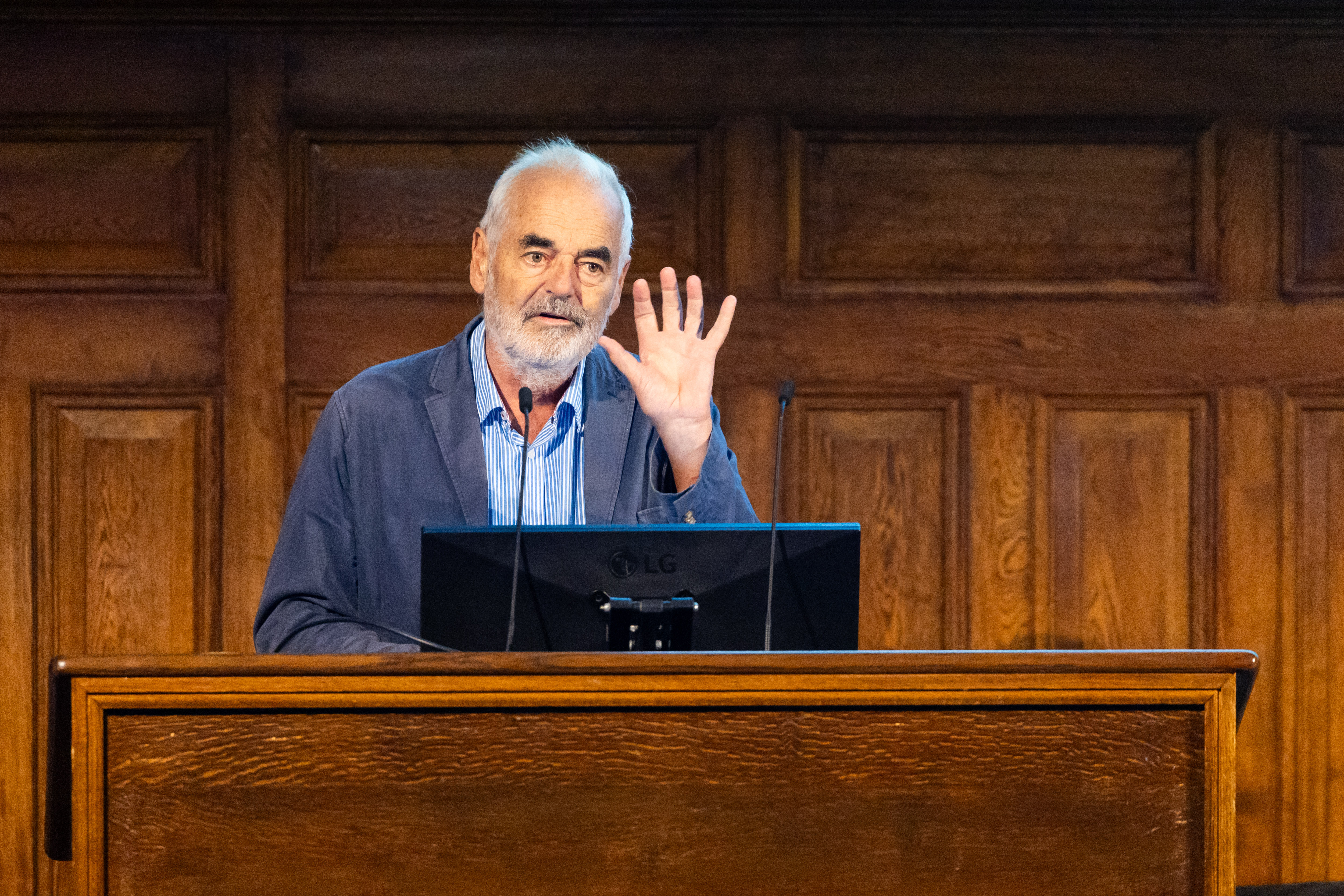
To close Royal College Day 2026, Tim Parkin introduced his specially chosen guest speaker – Professor Sir David Spiegelhalter, Emeritus Professor of Statistics at the University of Cambridge, and a well-known public communicator and writer on topics such as risk, uncertainty and evidence. 

Sir David started his talk – Communicating evidence and uncertainty in a trustworthy way – by looking at the hierarchy of evidence used to rank the quality and reliability of evidence and how this applied to different fields of study – including veterinary science. 

He said that, when communicating research with the public – including via the media – it was important to use terminology that suited the strength and reliability of the evidence to avoid potentially spreading misinformation. So, for example, it was important to build in uncertainty and margins of error when talking about less robust forms of research such as case reports, while it was possible to use more definitive language when talking about research based on, for example, systematic reviews and randomised control trials. 

He said that openness and transparency about what was not known and about limitations on the data and methodology, as well as acknowledgement of the fact that current knowledge could be superseded, was crucial to establishing trust in academic and public institutions.