


Examples of reasonable adjustments for vet students
On this page you will find high-level examples of potential reasonable adjustments that could be made for students with ...
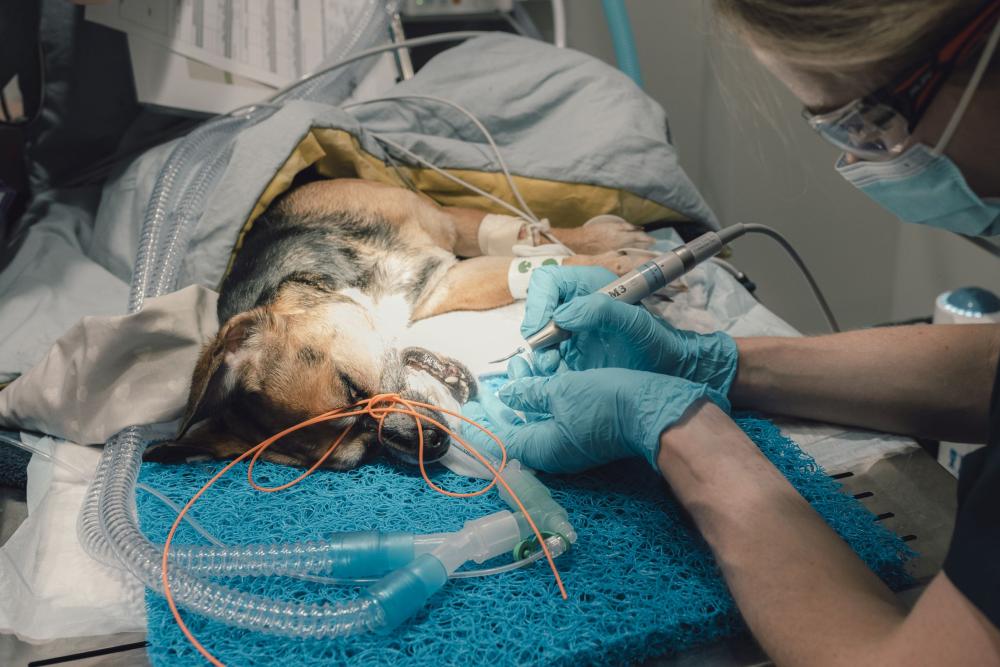
This summary provides a quick and accessible overview of the document, 'Embracing people with disabilities in the veterinary profession'.
It is designed to help veterinary students understand reasonable adjustments and how they can be supported in their education.
For full guidance and detailed examples, please refer to the main document.
This page is a summary of the full document, 'Embracing people with disabilities in the veterinary profession'. It is designed to help veterinary students understand what reasonable adjustments are and how they can support them in their education.
Under the UK disability discrimination legislation, providers of further and higher education are required to make reasonable adjustments for students with disabilities, including those waiting for a diagnosis or a disability assessment.
This page summarises what those adjustments are, how they are considered, and how they can support students in meeting their learning outcomes.
We recommend reading the full guidance for more detailed information and examples.
Reasonable adjustments are changes made to remove or reduce a disadvantage experienced by an individual due to a disability.
Examples may include, but are not limited to:
Veterinary schools are required to consider all requests under UK disability discrimination legislation; however, they may refuse requests that are deemed unreasonable.
What constitutes a reasonable adjustment can vary depending on the context. An adjustment considered reasonable in one institution may not be in another. For example, providing a stand-up wheelchair might be feasible in one setting but considered unreasonable in another due to cost constraints.
Under the Equality Act 2010, a disability is defined as a condition that has a substantial, long-term effect on day-to-day activities.
This includes, but is not limited to:
You do not need a formal diagnosis to request support - your needs matter regardless.
Veterinary students must meet RCVS 'Day-One Competent' standards by the end of their course in order to graduate and become a Member of the Royal College of Veterinary Surgeons (MRCVS).
In order to be Day-One Competent, a number of competence standards must be assessed and met.
While these competency standards themselves cannot be altered to accommodate disabilities, the methods used to assess them can be adjusted.
Examples include:
Please note: this general guidance does not purport to be legal advice and is not to be relied upon as legal advice. Students and education providers should seek their own advice in the particular circumstances and as required.
