
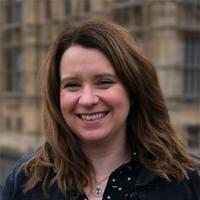
Miss Alison Price
Proposers
Dr Danny Chambers MRCVS
Dr Paul Horwood MRCVS
Candidate biography
I graduated from the Royal Veterinary College, London, in 2014, and hold a BSc (Hons) in Animal Science from the University of Leeds.
Throughout my career, I’ve gained experience working across the UK in various settings, from mixed practice to charity roles. I’ve held both clinical and non-clinical positions, working as a permanent employee and a locum alongside a diverse range of colleagues. Currently, my role is focused on veterinary education across Europe, though I still spend time regularly in small animal practice and hold a certificate in Dermatology. I am a member of the BVA, BSAVA, BVDSG and previously was the Yorkshire representative for the Young Vet Network.
I live in the Scottish Borders with my partner and our dogs, cat, and horse – all of whom joined our family from my previous roles in practice!
Candidate statement
- Why do you want to stand to be a member of RCVS Council?
I am standing to be a member of RCVS Council because I am passionate about contributing to the governance of the profession, advancing animal health and welfare, and shaping policies that benefit both the veterinary profession and the public.
With experience across a wide range of settings, from clinical practice to corporate environments, I have gained understanding of the challenges faced by vets at all stages of their careers.
Historically, there have been fewer recently qualified vets at council level, and I firmly believe in ‘being the change’ to ensure that the views from all areas of our profession are heard, helping to fulfil the remit of the RCVS Council.
- What do you think you can bring to RCVS Council?
I bring a unique blend of clinical and non-clinical expertise to RCVS Council, alongside a passion for supporting the veterinary profession.
My combination of practical experience, leadership skills and a forward-thinking approach would allow me to shape policies and contribute to decisions that meet the needs of both the profession and the public. I take pride in applying evidence-based judgment, both in clinical practice and non-clinical settings. I value collaboration, respecting different perspectives whilst encouraging open, constructive discussion.
I am committed to bringing fresh perspectives to RCVS Council whilst ensuring that decisions are fair, objective and uphold the highest professional standards.
- What relevant experience do you have?
My professional journey so far has provided me with a broad experience of both clinical practice and the wider veterinary profession.
Whilst my main focus is on education, I am still an actively practising veterinary surgeon, regularly working in small animal practice, giving me a strong understanding of the day-to-day realities of veterinary work. My non-clinical roles have provided me with skills which weren’t taught at vet school - leadership, management, strategy and educational expertise to enhance my ability to contribute to the veterinary profession.
I have previously worked with the RCVS on the Graduate Outcomes Working Group and the VetGDP Subcommittee, which was an immensely rewarding experience. Additionally, I have been part of the leadership team of a large social media community for vets, providing insight into the key issues affecting the public and the veterinary profession.
- Is there anything else you would like to add in support of your candidacy?
We are in a period of change for the veterinary profession. With the conclusion of the CMA investigation, future proposed changes to the Veterinary Surgeons Act and the potential closure of a UK vet school, it is inevitable that the veterinary landscape will be different over the next four years. As a member of RCVS Council, I would work diligently to support both the profession and the public, whilst upholding the council’s remit.
Answer to question submitted by the profession
What would be the top 3 changes to the VSA that you would like to see?
The Veterinary Surgeons Act (1966) has served the profession well, but it is now 60 years old and no longer reflects how veterinary medicine is practised today. Reform of the Veterinary Surgeons Act presents an important opportunity to modernise the framework while continuing to protect professional standards, animal welfare and public trust.
My three priorities would be:
1. A modern, flexible regulatory framework
The current act was written for a very different profession. Updated legislation needs to be flexible enough to adapt as veterinary practice evolves, whether through advances in medicine, technology, telemedicine, or changing practice structures as we have seen over recent years.
2. Proper recognition of the veterinary team
Modern veterinary care is delivered by skilled multidisciplinary teams. Reform should provide stronger recognition and protection of the veterinary nurse title, ensuring that appropriately qualified and registered professionals are recognised for the important role they play, whilst maintaining clear accountability for veterinary surgeons.
3. Clearer and fairer fitness-to-practise and disciplinary processes
Fitness-to-practise and disciplinary procedures must maintain public confidence and protect animal welfare, but they must also be proportionate and fair to veterinary professionals. A modern system should be transparent, timely, and focused on early resolution where possible. Where appropriate, it should support learning and remediation, while still taking the required decisive action when standards are not met.