
Transparency Alliance consults the veterinary professions on responsible AI framework
Members of the veterinary professions are being consulted on a draft framework to support responsible artificial intelligence (AI) use.
Today (Thursday 27 February 2026) we have published our response to the consultation by the Department for Environment, Food and Rural Affairs’ (Defra) on reform of the Veterinary Surgeons Act 1966 (VSA).
The response to Defra’s consultation, which opened on 28 January 2026, was approved by RCVS Council, our governing body, with input from the Legislative Change Working Party and Veterinary Nurses Council.
Our response (available to view on our Time for change page) welcomes Defra’s incorporation of many of our longstanding recommendations for legislative change in its proposed reform of the VSA. This includes:

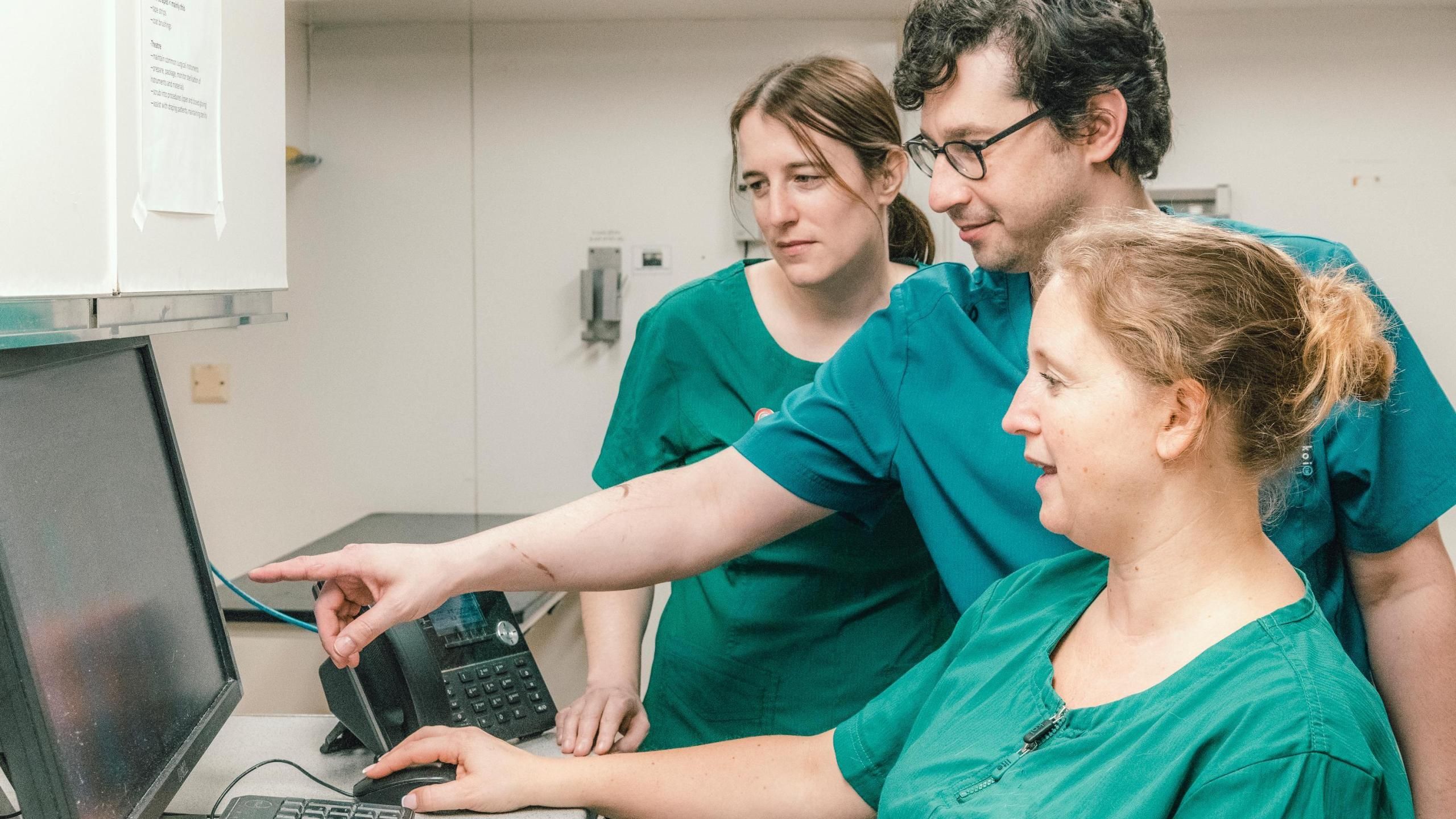
Professor Tim Parkin (pictured), our President, said: “We thank Defra for taking on board the strong message from the RCVS, the British Veterinary Association (BVA), and the British Veterinary Nursing Association (BVNA), of the clear and pressing need to have new and improved legislation that is fit both for now and for the future.
“What is proposed in this consultation will set a firm regulatory foundation for the veterinary sector for decades to come, and our response reflects how positive we are about the changes and what they would mean for the future role and function of the RCVS as the veterinary regulator.
“Please make sure you take this once-in-a-generation opportunity for change by responding to Defra’s consultation in support of the proposals and, in doing so, helping to protect animal health and welfare and shape the future of the professions.”
In terms of the future governance structure for the RCVS in light of its proposed additional powers, role and remit, the RCVS response strongly favours Option 1 in Defra’s proposals - the ‘Royal College that regulates’ model – rather than Option 2, which would see the RCVS shorn of its broader public interest and professional leadership objectives and left with a purely ‘regulatory’ remit.
Commenting on the governance options, Professor Parkin added: “It is our strong belief that the ‘Royal College that regulates’ model retains the best of both worlds, because it takes a proactive and holistic approach to regulation and fitness to practise.
“For example, professional leadership projects such as the Mind Matters Initiative and our reasonable adjustments campaign have opened up conversations around mental and physical health, and how we can better support our registrants to continue to meet professional standards in the public interest, while the RCVS Academy helps our registrants understand and navigate their professional responsibilities via innovative learning content.
“Furthermore, given the importance of supportive, preventative approaches to modern professional regulation, there can be no clear or fixed dividing line between the College’s regulatory and Royal College functions. Not only would Option 2 not create clarity, it would also risk undermining and leaving in limbo, without funding, much of the good work we have done with projects in mental health, workforce, environment and sustainability, and through our Fellowship.
“If you want a balanced and holistic approach to regulation for the benefit of animal health and welfare, public health and wider society, then please make sure you support Option 1 when you complete the consultation.”
Defra's consultation closes on 25 March 2026. Full details of the consultation, the RCVS response and the College’s position on legislative reform, as well as a direct link to Defra’s consultation page, can be found on our Time for change page.