
Veterinary suicide prevention is everyone's business
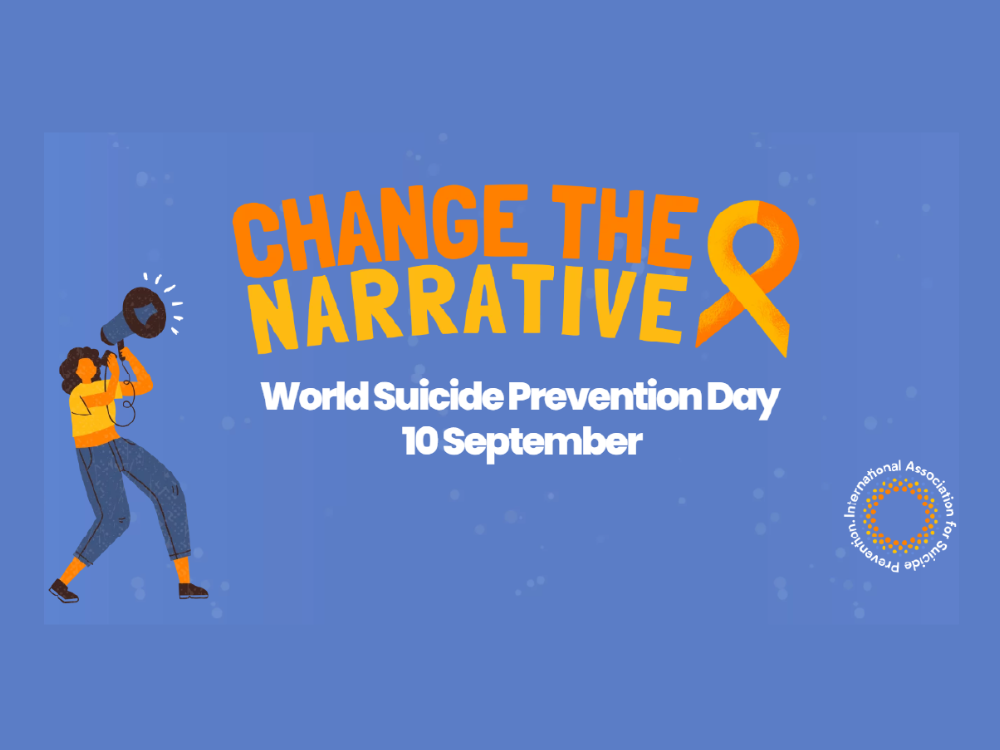
Today is World Suicide Prevention Day, with the theme of 'Changing the narrative on suicide'.
We recognise that some readers of this blog may have been affected by suicide. We encourage you to seek support if you feel that it would be helpful. It’s important to acknowledge suicide is complex and multifactorial and is often, but not always, associated with mental health problems. Your wellbeing matters. We encourage you to take care of yourself and treat yourself with the same kindness and care that you may offer others.
- Date Published:
Suicide is a complex and multifaceted public health problem. It is estimated that over 720,000 people die by suicide each year (WHO, 2025). For every death by suicide, approximately 135 people are affected (Cerel et al., 2019). Suicide prevention and support for those affected by suicide is therefore everyone's responsibility, not just those who work in healthcare or as part of voluntary and community organisations.
Whilst Suicide was decriminalised via the Suicide Act 1961 (in England and Wales) & Criminal Justice Act 1966 (Northern Ireland), stigma still exists. This stigma can prevent people from seeking support where needed and having potentially life-saving conversations. A recent report by MHFA England in 2025, highlighted that only 48% of UK respondents would feel comfortable talking about suicide with a colleague.
It’s important to continue to challenge this stigma. This has been acknowledged in national and global suicide prevention strategies, and forms part of our RCVS Mind Matters strategy.
What are we doing?
As part of our Mind Matters preventative work, and commitment to supporting the veterinary community as a Royal College that regulates, we have been focussing on suicide prevention in veterinary workplaces over the last year, through an evidence-based and system-focussed approach.
RCVS Mind Matters continues to raise awareness through social media and events, and through our RCVS Academy ‘Suicide awareness fundamentals’ course which we launched in October 2025. In addition to this, we continue to facilitate time and space for discussion, encouraging and promoting high-quality research, developing training, and taking practical action.
Since 1 April 2026, under the core standards of the RCVS Practice Standards Scheme (PSS), every veterinary practice in the UK (including small animal, equine and farm) has been required to implement a practice-specific suicide prevention plan, which includes assessing potential risks within the practice setting and establishing measures to address and mitigate each identified risk. You can find out more about this in our press release.
To support practices in meeting the new PSS standard, RCVS Mind Matters have partnered with the RCVS PSS Team and external experts to develop a number of resources aligned with the new British Standard ‘BS 30480 on Suicide and the Workplace’ which was launched in 2025. We also published a special edition Suicide Prevention podcast episode in June 2026.
If you have any questions the new PSS suicide prevention standard, please contact the PSS Team at [email protected].
What can you do?
Workplaces, leaders, and managers
Under the Health and Safety at Work legislation, employers’ have a legal ‘duty of care’ and must do all they reasonably can to protect the occupational health, safety and wellbeing of their employees (both physically and psychologically). In the 2025 CIPD Health and Wellbeing at Work report, only 54% of organisations respondents reported provision for suicide risk and prevention. Training for veterinary leaders and managers is therefore essential, as well as supporting individuals and teams to have conversations around mental health, wellbeing and suicide.
It’s not always easy to know where to start, which is why we provide a number of free and low-cost CPD courses, research events and resources, including:
- RCVS Academy: ‘Suicide awareness fundamentals’, and ‘Managing mental health in the workplace’ CPD courses,
- Two-day Mental Health First Aid (MHFA) training,
- Talking about Suicide: 10 Tools (TAS:10) training,
- RCVS Mind Matters Applied Mental Health Science series – a collection of bitesize guides on mental health conditions and managing stress in the veterinary workplace,
You may also find the Information Commissioners Office (ICO) guidance on information sharing in mental health emergencies helpful. If you have any questions regarding our activity or resources, please contact the MMI Team at [email protected].
Universities, colleges, educators and students
Whilst veterinary workplaces play an essential part in suicide prevention, those engaging and working within veterinary education and training should also be supported. In 2018, Universities UK published guidance on suicide-safer universities, including supporting students on placement, and in 2020 they also published ‘Stepchange’, a framework for mentally healthy universities.
Student Minds have also developed a range of resources, advice and guidance to support students, and Education Support also provides a range of resources for staff working in education.
Communication guidelines
The press and media play an important part in changing the narrative on suicide, but we should all consider how we talk about suicide responsibly, whether in a professional or personal capacity, online or offline. Organisations such as Samaritans, the Independent Press Standards Organisation (IPSO) and IMPRESS provide guidance on discussing suicide in a way that is sensitive, accurate and proportionate. The principles behind this guidance are valuable beyond the media and can help all of us have safer, more supportive conversations about suicide in our everyday lives.
Further resources
Help and support (including postvention)
Through RCVS Mind Matters, we continue to fund Vetlife Helpline, and training for VetSupport volunteers each year (which includes ProfCon Investigation Support), helping to ensure help is available for the veterinary community when and if they need it. You can contact Vetlife Helpline on 0303 040 2551 or register on their website to contact anonymously via email. You can also contact VetSupport at [email protected].
Samaritans and Shout both provide a range of useful support 24/7. You can call Samaritans on 116 123, or text SHOUT to 85258.
If you have been bereaved by suicide, you may find Suicide&Co, or Survivors of Bereavement by Suicide (SoBS) helpful sources of support. Vetlife also provide a postvention service, which you can access by calling the helpline or via email.
If you need urgent help and support, you can contact NHS 111 in England, Scotland, and Wales (Cymru), or Lifeline in Northern Ireland on 0808 808 8000 to receive support and advice. If you are deaf or hard of hearing, you can also find useful advice from the RNID on using the confidential relay service Relay UK, to contact NHS 111 and Lifeline.
If you need immediate medical attention call 999 and ask for an ambulance, or visit your local A&E department.