
8. Event planning and execution: physical safety and accessibility
Dr Anna Judson FRCVS (BVA)
Psychological, physical and emotional wellbeing are deeply interconnected, particularly in live event environments, where stress, fatigue, sensory overload and physical risk can coexist. Attendees will be affected differently, depending on their own needs, health conditions, neurodiversity or disability.
An attendee’s mental state has the potential to impact their physical safety and resilience, just as physical conditions, which includes barriers and lack of accessibility, can impact emotional regulation, inclusion, dignity and wellbeing.
This chapter includes a checklist for organisers to consider for physical safety and accessibility planning. It is a practical starting point to promote inclusion and risk awareness. It’s not an exhaustive list and should be adapted to the nature of the event. You may wish to consider a similar checklist approach for event set-up, event delivery, packing up and post-event wash-up. Further checklists can be found in the event checklists and templates section of this guide.
Physical safety and accessibility: choosing an event venue
1. General venue accessibility
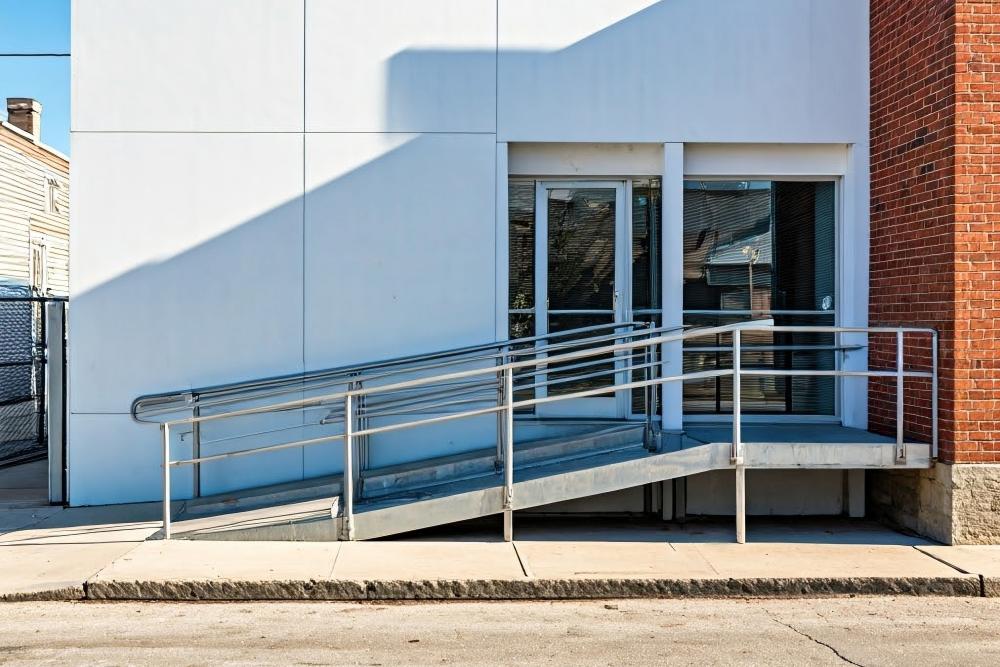
- Accessible entrances wide enough for wheelchairs and mobility aids, with ramps and elevators where needed.
- Clear, high-contrast, easy-to-read signage throughout the venue.
- Unobstructed pathways and corridors with adequate space for mobility aids.
- Emergency exits accessible to individuals with mobility impairments, with appropriate signage and assistance plans.
2. Parking and transportation
- Accessible parking spaces and electric charging points near the venue with clear signage.
- Drop-off zones close to the entrance, safe, and easily accessible.
- Accessible public transportation options nearby or shuttle services available.
3. Restrooms and facilities
- A Changing Places toilet is an accessible facility providing extra space and equipment to support people with complex disabilities who cannot use standard accessible toilets independently.
- Accessible restrooms clearly marked and properly equipped.
- Private, accessible spaces for personal care or assistance.
- Designated quiet or rest areas for attendees in need of a break.
4. Seating arrangements
- Flexible seating that accommodates mobility aids and different physical needs (for example, larger chairs, adjustable seating).
- Reserved seating areas for wheelchair users or individuals with mobility challenges.
- Clear sightlines for seating arrangements, particularly for individuals with visual impairments.
5. Sensory considerations
- Noise management:
- availability of noise-cancelling headphones.
- ability to provide areas which can be designated as quiet zones.
- Lighting that is non-flickering, soft, and adjustable for those with sensitivities, visual conditions or epilepsy.
6. Pathways and navigation
- Event spaces are all wheelchair accessible.
- Venue size and capacity ensure walkways can be provided free from obstructions for example, furniture, cords, or decorations.
- Edges of trade stands are height-controlled, clearly marked and visible.
- Large clear safety and other signs/ map to assist with navigation.
7. Safety and emergency preparedness
- On-site medical staff and first aid kits readily available, with staff trained to assist individuals with special needs.
- Clear, accessible evacuation plans, with trained staff to assist attendees with disabilities in emergencies.
- Fire alarms with accompanying visual signals (for example, flashing lights) for attendees with hearing impairments.
8. Accommodations for different disabilities
- Mobility impairments: wide doors, elevators, ramps, and accessible seating areas.
- Hearing impairments: sign language interpreters, assistive listening devices, and captioning for sessions.
- Visual impairments: materials in braille or large print, and assistance for guide dogs.
- Neurodivergence: suitability of venue to provide structured environments and access to quiet spaces.
9. Food and drink
- Accessible food and drink stations for attendees using mobility aids.
- Allergen-friendly food options clearly labelled to accommodate diverse dietary needs.
- Flexible meal times, where possible and reasonable, to accommodate medical or dietary needs.
10. Assistive technologies and services
- Assistive listening devices available for those with hearing impairments.
- Live captioning or real-time transcription services for sessions and presentations.
- Event app availability with accessibility features, for example, maps, schedule alerts, and real-time updates.
11. Staff and volunteer training
- Staff trained to understand and assist attendees with disabilities and extra needs.
- Empathy and sensitivity training for staff to encourage respectful, patient interactions.
- Clearly identified staff members trained in accessibility for easy attendee assistance.